Avoid Parking Fines: Warwickshire Council Rules for Hatton
Posted on 26/05/2026
If you are moving in or out of Hatton, the last thing you want is a parking ticket landing on the mat a few days later. Yet that is exactly what happens when vans block a bay, sit on a restriction, or get left in a spot that looks fine for five minutes but is not fine at all once a civil enforcement officer appears. This guide to Avoid Parking Fines: Warwickshire Council Rules for Hatton is written to help you plan the moving day properly, keep your vehicle where it should be, and reduce the kind of stress that turns a busy day into a messy one.
To be fair, most parking issues on moving day are not caused by bad intentions. They come from rushing, guessing, or assuming the street outside the property is "probably okay". In Hatton, as in the wider Warwickshire area, it pays to check the local rules, understand the practical limits of your street, and think one step ahead. If you are also planning packing, furniture handling, or storage, it may help to look at our packing guide for moving home and simple decluttering advice for a calmer move.
This article breaks the topic into clear, useful parts: why the rules matter, how parking control works in practice, what to do before the van arrives, and which common mistakes trigger fines. It also includes a checklist, a comparison table, and a real-world example so you can see how the pieces fit together.
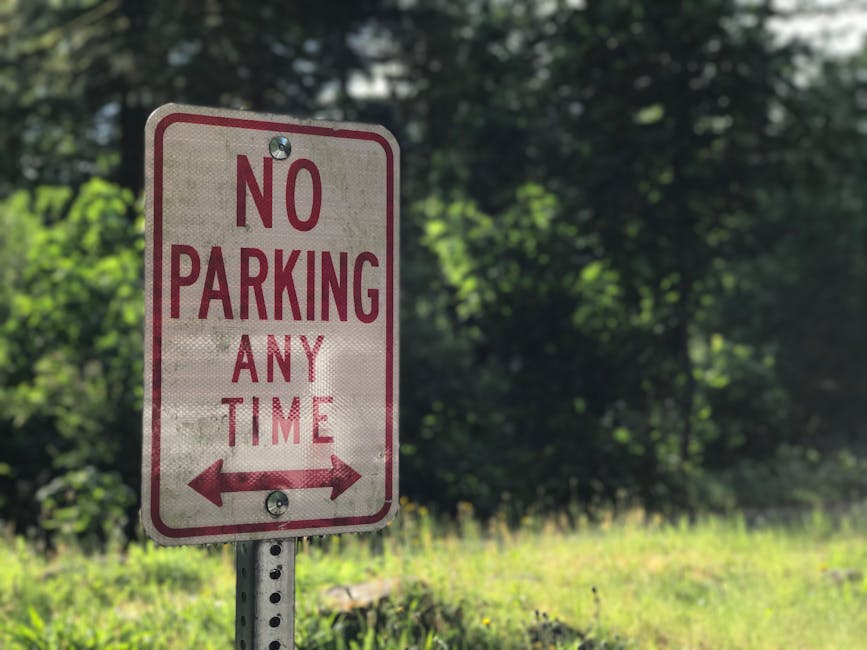
Why Avoid Parking Fines: Warwickshire Council Rules for Hatton Matters
Parking fines are not just an annoyance. On moving day, they can change the entire mood of the job. A van driver may need to double-park briefly, a sofa might be halfway through the doorway, and somebody is stood outside trying to keep a route clear. Add a penalty charge on top, and what should have been a straightforward move suddenly becomes more expensive and more frustrating than it needed to be.
Hatton sits within Warwickshire, so local parking controls, yellow lines, loading restrictions, permit areas, dropped kerbs, and time-limited spaces can all come into play depending on the street. The key thing to understand is this: even if a stop is only meant to be short, it can still count as a contravention if the location is restricted. That is why planning matters before the first box is lifted.
It also matters because moving day often involves people who are not used to commercial vehicle handling. A family car can squeeze into a space that a removal van cannot use safely. A street that feels roomy in the morning can become tight once neighbours leave for work, school traffic builds, and parked cars shift around. Sounds familiar? It is, frankly, the sort of thing that catches people out all the time.
For anyone coordinating a larger move, the parking plan is part of the wider logistics. It sits alongside packing, loading, access management, and protecting walls and ceilings. If you are moving furniture through narrow hallways or awkward staircases, our guides on ceiling safety measures in a move and furniture removals in Hatton can help you think a bit more holistically.
Practical takeaway: a parking fine is often a planning problem, not a luck problem. The earlier you check the street, the easier it is to keep the move calm and compliant.
How Avoid Parking Fines: Warwickshire Council Rules for Hatton Works
There is no single "one size fits all" parking rule for every road in Hatton. That is where many people get tripped up. The practical process is usually about checking the exact street, the exact time, and the exact type of vehicle involved. A small van might fit somewhere a larger removal truck cannot. A loading stop might be acceptable in one place and entirely forbidden in another.
In general, the council's rules are enforced through signage, road markings, traffic orders, and on-street enforcement. So the most reliable approach is to read what the street says, not what you hope it says. If the bay is for permit holders only, loading only, or limited to a short stay, that wording matters. The same goes for yellow lines, kerb markings, and any nearby signs that apply to the section of road.
For moving jobs, there are usually a few moving parts:
- Where the van can legally stop.
- Whether loading or unloading is permitted.
- How long the vehicle can remain in place.
- Whether any resident, visitor, or business permit is required.
- Whether access needs to be protected for pedestrians, neighbours, or emergency vehicles.
If your property is on a busy stretch, your best option may be to use a smaller vehicle, stagger the loading, or schedule the move for a quieter time of day. That can sound inconvenient, but it is usually far cheaper than dealing with a fine later. And yes, sometimes the obvious choice is the wrong one. The wide pavement, the tempting corner space, the "just for a minute" stop - that is often where problems begin.
When a move involves bulky items such as wardrobes, beds, or a piano, the parking plan becomes even more important because loading takes longer. In those cases, it is worth reading this guide to transporting beds and mattresses and, for very heavy or delicate items, piano removals in Hatton. The more carefully you stage the move, the less likely you are to end up parking badly out of desperation.
Key Benefits and Practical Advantages
Keeping your move compliant with Warwickshire Council parking rules is not just about avoiding a ticket. It improves the whole day. A smooth parking setup means quicker loading, less back-and-forth, and fewer awkward conversations with neighbours or enforcement officers. Small win, but it matters.
- Lower risk of fines: obvious enough, but genuinely the biggest advantage.
- Less time wasted: no circling the block looking for a last-minute space.
- Better team coordination: the van can be positioned where it is most efficient.
- Safer lifting: shorter carrying distances reduce strain and accidents.
- Less disruption for neighbours: important on tighter Hatton streets.
- Cleaner move-out experience: less panic, fewer delays, and a more professional finish.
There is also a reputational benefit if you are moving a rental property, a business unit, or student accommodation. Landlords, neighbours, and building managers tend to remember the difference between a tidy, controlled move and one that blocks driveways or causes avoidable complaints. If you are moving out of a flat, our flat removals service in Hatton and move-out cleaning guide may also be useful.
Truth be told, the best benefit is peace of mind. You can focus on the move instead of watching the clock and wondering whether someone is about to stick a ticket under the wiper.
Who This Is For and When It Makes Sense
This guidance is useful for almost anyone moving in Hatton, but some people need it more than others.
Home movers
If you are moving house, parking matters because you need direct access for boxes, furniture, and possibly appliances. A poor parking choice can mean extra carrying distance, which sounds minor until you are on the fifth trip with a washing machine box. Not fun.
Tenants and students
Students and renters often move with limited time windows, shared access, and very little room for error. If that sounds like your situation, student removals in Hatton and man with a van services in Hatton can be a practical fit, especially where the job is quick but still needs a careful parking plan.
Families and larger households
Larger homes usually mean more boxes, more furniture, and longer loading times. That increases the chance that a van will be parked longer than originally expected. In that case, planning the loading order becomes a big deal.
Business owners and office movers
Office relocations often happen on a tighter schedule, with less tolerance for delays. If a vehicle is parked in the wrong place while staff are waiting on the other end, the knock-on effect is real. See also office removals in Hatton and general removal services in Hatton.
Anyone using a hire van or multiple vehicles
Hire vans can be deceptively awkward. They look manageable in the booking photos, then on the street they suddenly feel enormous. If you are also comparing costs, the pricing and quotes page is a sensible next stop before you decide how much vehicle capacity you really need.
Step-by-Step Guidance
Here is a practical way to approach parking for a move in Hatton without overcomplicating it.
- Check the exact street and frontage. Do not rely on memory. Walk to the road, look for signs, and note any yellow lines, bays, or loading restrictions.
- Decide the vehicle size early. A smaller van may be easier to place legally than a larger removal vehicle.
- Plan loading and unloading windows. If the street is busy at school run time or early morning, choose a calmer slot where possible.
- Think about access before arrival. Make sure doors, gates, and pathways are clear. If the lift or stairs are awkward, it helps to know that before the van turns up.
- Keep the driver informed. A quick call about where to park can save a lot of wandering around with hazard lights on.
- Protect the route into the property. If your move involves furniture, consider the internal route too. Solo heavy lifting tips and safe lifting techniques are useful if you are carrying items yourself.
- Stage boxes near the exit. Good packing makes loading faster and reduces the time the van is parked in place. The guide on packing and boxes in Hatton is worth a look if you want to keep things neat.
- Use a contingency plan. If the first parking spot is unavailable, know the second-best option before the van arrives. Do not improvise under pressure.
A small note here: if the property is in a tighter street, it may be worth having one person act as the parking point of contact. Not glamorous, I know, but it stops the "I thought you said the other end of the road" confusion that always seems to happen once boxes are moving.
Expert Tips for Better Results
These are the habits that make a real difference.
- Visit the street at the same time of day as the move. Morning traffic, school traffic, and evening parking patterns can be completely different.
- Watch for hidden restrictions. A road may look free, but a nearby sign can apply to a wider section than you think.
- Leave space for neighbours. If you can avoid blocking a driveway or bin access point, do it. You will reduce complaints and keep the move friendlier.
- Use the smallest practical vehicle. Sometimes a man and van setup is easier than a larger truck, especially on narrow roads.
- Load in the right order. Heavy, awkward items first; lighter boxes later. That means less waiting time on the street.
- Keep essentials separate. Documents, keys, phone chargers, and water should not be buried under twelve boxes. Trust me, that gets annoying fast.
- Protect fragile or oversized items properly. If you are handling delicate furniture, the pages on sofa storage and preservation and why piano moving is best left to the pros are both helpful.
One useful mindset shift: do not ask, "Can I probably park there?" Ask, "Would I be comfortable if this were checked right now?" That question alone filters out a lot of bad decisions.
![A close-up view of a concrete sidewalk with a white painted circle featuring a bicycle icon and a diagonal line crossing through it, indicating no bike riding permitted. Below the symbol, the text 'NO BIKES RIDING ON SIDEWALK' is clearly stenciled in capital letters. The pavement consists of concrete slabs with visible expansion joints and a rough texture, and there are small patches of moss or grass growing in the gaps. The scene is well-lit, highlighting the details of the painted markings and the surface of the sidewalk. This type of signage may be seen near residential or commercial areas where pedestrian safety and house removals are prioritized, aligning with regulations that [COMPANY_NAME], such as Man with Van Hatton, follow during loading and unloading operations at properties like those along the page about avoiding parking fines in Warwickshire, Hatton.](/pub/blogphoto/avoid-parking-fines-warwickshire-council-rules-for-hatton2.jpg)
Common Mistakes to Avoid
A lot of parking fines are the result of very ordinary mistakes. Nothing dramatic. Just small assumptions stacked on top of one another.
- Assuming loading is always allowed. It is not. Some restrictions still apply during short stops.
- Ignoring signage because the bay looks empty. An empty bay can still be restricted.
- Leaving the van "just for a minute". Moving day minutes can stretch unexpectedly.
- Blocking dropped kerbs or driveways. That is a quick way to upset people and attract attention.
- Forgetting the size of the vehicle. What fits in a car bay may not suit a removal van.
- Not checking both sides of the road. Restrictions can differ by side.
- Failing to plan for delays. If packing takes longer, your parking window may change.
Another common issue is underestimating the time needed for loading. People often think the van will be in and out within half an hour. Then a wardrobe catches on a doorway, someone cannot find the mattress bag, and the clock keeps moving. That is where a calm parking plan becomes genuinely valuable.
Tools, Resources and Recommendations
You do not need a box full of specialist gear to avoid parking fines, but a few tools make the job much easier.
- Street view and map checks: helpful for identifying bay layouts, one-way systems, and road width before you visit.
- Photos of the frontage: a couple of clear pictures can help a driver understand the space.
- Phone reminders: useful if you are coordinating arrival windows, parking checks, or neighbour notifications.
- Labels and colour coding: they speed up unloading and reduce van dwell time.
- Good quality boxes and tape: nothing fancy, just solid basics. See packing and boxes in Hatton.
- Storage support: if the move is split over a few days, storage in Hatton can take pressure off the schedule.
If you are comparing service types, you may also want to review man and van services in Hatton, removal van options, and the broader removal companies in Hatton page. Sometimes the right parking plan is tied directly to the right vehicle choice.
Law, Compliance, Standards, or Best Practice
Parking compliance in Warwickshire is usually guided by local traffic orders, road signs, and marked restrictions. That means the most reliable rule is still the simplest one: follow what is signed and marked on the street you are using. If there is any doubt, treat the restriction as active until you have verified it.
For moving-day work, good practice usually includes the following:
- Do not stop where your vehicle creates a hazard.
- Do not block access points, junctions, or crossings.
- Respect permit areas, loading bays, and time limits.
- Keep sufficient access for pedestrians and neighbours.
- Make sure your vehicle does not extend beyond the space in an unsafe way.
If you are working with a removal team, it is sensible to ask how they manage parking, loading, and safety. A responsible company should be able to explain its approach clearly. Our pages on health and safety policy, insurance and safety, and terms and conditions help set expectations and show how a professional service thinks about risk and responsibility.
Best practice is not about being fussy. It is about avoiding avoidable problems. A clean parking setup protects you, the crew, the property, and the people around it.
Options, Methods, or Comparison Table
Different moves call for different parking approaches. Here is a straightforward comparison to help you decide what fits best.
| Approach | Best for | Pros | Possible drawback |
|---|---|---|---|
| Small van with short load time | Flats, student moves, light household loads | Easier to park, quicker to position, less street disruption | May require multiple trips |
| Larger removal vehicle | Full house moves, bulky furniture, office moves | More capacity, fewer journeys, better for larger inventories | Harder to park and manoeuvre on narrow streets |
| Split-load approach | Busy roads, restricted parking, staged moves | Reduces parking pressure and can improve timing | Needs more coordination and planning |
| Storage-first move | Uncertain completion dates or staggered handovers | Removes time pressure and helps with access issues | Extra step before final delivery |
For many people in Hatton, the split-load or small-van approach turns out to be the neatest solution. Not because it is glamorous. Because it works. If the street is awkward, simplicity usually wins.
Case Study or Real-World Example
Imagine a family moving from a semi-detached property in Hatton to a nearby village. The plan at first was simple: park the van directly outside the house, load everything in one go, and be done by lunch. Nice idea. But when they visited the road the day before, they noticed a section of yellow line near the frontage and limited space because neighbours already parked tightly on both sides.
Instead of gambling on the morning, they adjusted the plan. The removal team used a slightly smaller van, the heaviest items were staged first, and the car was kept well clear so the van could pull in without blocking the lane. One family member checked the road early, another handled boxes inside, and the driver parked where the markings allowed rather than where it was most convenient. It was not perfect. There was a bit of back-and-forth. But there was no ticket, no complaint, and no last-minute scramble.
That is the pattern you see again and again: a few practical adjustments save a lot of hassle. If the move involves a larger sofa, especially in a tight entrance, our article on moving out with a spotless home and the service page for house removals in Hatton can help with the wider planning.
Practical Checklist
Use this checklist before moving day. It keeps things simple.
- Check the parking signs on your street.
- Confirm whether any yellow lines, bays, or loading limits apply.
- Decide the vehicle size before booking.
- Choose the best loading time for the street.
- Clear the route from the property to the van.
- Tell the driver where the safest legal space is.
- Keep essentials and documents separate from the main load.
- Have a backup parking option ready.
- Protect bulky items and fragile furniture properly.
- Allow extra time for delays, because they happen. Always.
If you want a fuller moving-day setup, you might also find removals in Hatton and removal services in Hatton useful for planning the bigger picture around the park-load-travel cycle.
Conclusion
Parking fines are usually avoidable if you treat the street as part of the moving plan, not something to deal with at the last second. In Hatton, that means checking the local restrictions, choosing the right vehicle, planning loading carefully, and thinking about how long the van really needs to stay outside the property. Do that well, and the move feels smoother straight away.
In our experience, the people who avoid problems are not necessarily the ones with the biggest vans or the most elaborate plans. They are the ones who check early, keep calm, and make simple, sensible choices. That is enough, honestly.
Get a free quote today and see how much you can save.
And if you are still at the planning stage, that is fine too. A little preparation now can save a lot of headache later, and that is the kind of win worth having on a moving day.