Church Lane to High Street: Narrow-Street Moving Tips
Posted on 10/06/2026
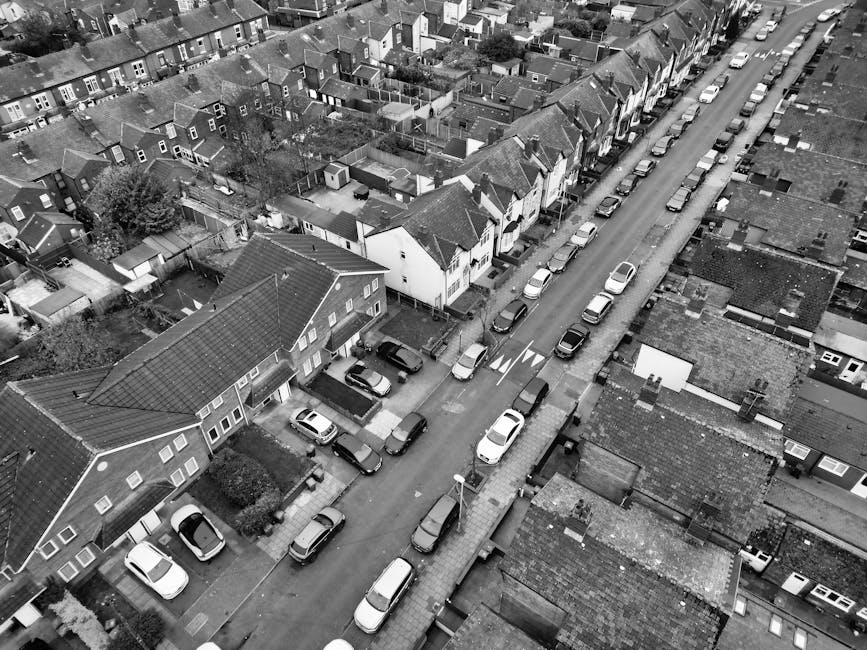
Moving from a tight residential lane to a busier high street sounds simple on paper. In real life, it can mean awkward bends, parked cars on both sides, limited stopping space, low branches, nervous neighbours, and a van that suddenly feels twice as wide as it did yesterday. If you are planning a move along a route like Church Lane to High Street, the challenge is not just getting items from A to B. It is doing it without scraping walls, blocking traffic, or turning moving day into a small local drama.
This guide brings together practical Church Lane to High Street: Narrow-Street Moving Tips that help you plan the route, protect your furniture, choose the right vehicle, and keep the day moving. We will cover what makes narrow-street moves different, how to prepare properly, the mistakes that catch people out, and the best ways to keep things calm when the street is anything but. Truth be told, the difference between a chaotic move and a tidy one is often the planning done the day before.
Why Church Lane to High Street: Narrow-Street Moving Tips Matters
Narrow streets change the whole shape of a move. On a wider road, you can often swing a van in, unload quickly, and keep the day rolling. On a lane or high street, access becomes part of the job. You may have tighter turning circles, fewer legal stopping options, more foot traffic, and more chance that one small delay knocks everything else off schedule.
That is why a route-focused plan matters. It is not just about the address. It is about the route between the addresses, the turning points, the parking, the loading distance, and the people sharing the street. If you are moving a flat, a family home, or a small office, narrow access can change the vehicle size you need, the number of hands on site, and the amount of time the load/unload takes. A sofa that is easy enough on a quiet cul-de-sac can become a problem the moment you meet a tight gate and a row of wheelie bins.
Many moves in busy village centres or town high streets also involve timing. A small window can matter more than usual. Early morning may feel quieter, but deliveries already be underway. Midday might be less suitable because traffic and pedestrians pick up. There is no magic answer. You have to look at the street as it is, not how you wish it were.
For that reason, it helps to prepare like a planner rather than a hopeful hero. A bit dramatic? Maybe. But moving day on a narrow street has a habit of humbling everyone.
How Church Lane to High Street: Narrow-Street Moving Tips Works
The core idea is simple: reduce the number of unknowns before the van arrives. That means checking access, measuring larger items, planning the loading order, and understanding where the bottlenecks are likely to happen. Once you do that, the move stops being guesswork and becomes a sequence.
Start with the street itself. Look at width, bends, parked vehicles, visibility, footpaths, and any awkward features such as speed bumps or low eaves. Then match that against what you are moving. A mattress folds differently from a wardrobe. A wardrobe behaves differently from a piano. And a piano, frankly, has its own opinions. If you have especially heavy or awkward items, it is worth reviewing guidance like the complexities of piano moving and the broader safety advice in insurance and safety.
Next comes the plan for the van. A smaller vehicle can be easier to position in a narrow street, but it may require more trips if your load is large. A larger van can carry more in one go, though getting it into place may be harder. This is where a flexible approach matters. If the property is especially tight, consider a service such as man and van Hatton or removal van Hatton depending on the scale of the move and the access available.
Then there is the loading order. The best narrow-street moves are usually the ones where the heaviest, bulkiest, or most fragile pieces are loaded in a logical sequence, not the order people carry them downstairs in a rush. That sounds obvious. It rarely is on moving day.
Key Benefits and Practical Advantages
Good narrow-street planning saves time, money, and stress. It also reduces the risk of damage, which is the bit nobody wants to think about until they hear a wobble against the door frame. A thoughtful approach gives you a calmer move and a better chance of keeping the property, the street, and your belongings in good condition.
- Less disruption: tighter timing and smarter parking reduce delays for neighbours, pedestrians, and traffic.
- Lower damage risk: careful route planning helps protect furniture, walls, windows, and ceilings.
- Better vehicle choice: you can match the van size to the access, not just the volume of boxes.
- Faster unloading: a clear path from van to door cuts down on repeated carrying.
- More confidence on the day: once the awkward parts are mapped out, everything else feels much more manageable.
There is also a quieter benefit: better headspace. A move through a tight lane can feel like everything is against you. But once the plan is solid, the situation stops feeling personal. The road is simply the road, and you work around it. That shift alone can make a huge difference.
If you are packing at the same time, this is where structured preparation helps. Articles like mastering packing when relocating your home and decluttering your home for a stress-free move fit neatly into the process because less clutter means fewer lifts, fewer boxes, and fewer things to squeeze through an awkward doorway.
Who This Is For and When It Makes Sense
This approach makes sense for anyone moving where access is tight, but it is especially useful for people in older streets, mixed-use high streets, terraced roads, or locations with limited parking. If you are moving between two properties and one or both addresses sit on a narrow road, these tips are for you.
It is particularly relevant for:
- homeowners moving from terraced or period properties
- flat movers with shared access and stairways
- students moving in and out of compact accommodation
- small office relocations in busier town-centre areas
- people with furniture that is awkward, heavy, or oversized
For students, the issue is often less about huge furniture and more about timing, convenience, and keeping the move affordable. In those cases, student removals Hatton can be a practical fit. For a full household, a more complete service may be the better fit, especially if the route is tight and the property includes larger items or multiple rooms.
It also makes sense when the move is time-sensitive. If you need to get in and out on the same day, or fit around parking restrictions and neighbours, then a coordinated plan matters even more. You can explore options like same day removals Hatton or, for broader residential support, house removals Hatton.
Step-by-Step Guidance
Here is the most practical way to handle a narrow-street move without losing the plot.
- Walk the route before moving day. Check where a van could reasonably stop, where corners tighten, and whether there are parked cars that could block access.
- Measure the largest items. Doorways, stair turns, banisters, sofas, wardrobes, mattress height, and appliance depth all matter.
- Plan the loading order. Load the items you need first at the farthest point in the van so they come out first at the new property.
- Protect entry points. Use blankets, corner guards, and floor protection to reduce marks in tight hallways and at the kerb.
- Clear the path inside both properties. A hallway full of shoe racks and umbrellas becomes a bottleneck very quickly.
- Assign roles. Decide who opens doors, who guides the van, who checks the route, and who handles fragile items.
- Keep a contingency plan. If the van cannot park directly outside, know where it can pause safely and how far items will need to be carried.
Small detail, but important: if a doorway opens outward into a narrow pavement, do not assume the path stays clear. One late passer-by, a delivery driver, or a bin lorry can change the rhythm instantly. That is why communication matters. A simple "hold on a second" can prevent a bump, a bruise, or a very expensive wobble.
When the job involves furniture with tight clearance, it helps to think beyond the obvious. Our article on furniture removals Hatton is a useful companion read for anyone dealing with bulky items, while transporting your bed and mattress with ease covers two of the most commonly awkward household pieces.
Expert Tips for Better Results
In our experience, the best narrow-street moves are won before the van even starts rolling. A few quieter decisions make all the difference.
- Use smaller loads for tight access: fewer oversized lifts and less twisting in cramped spaces.
- Separate fragile items early: mirrors, glass tables, and lamps should not be mixed with heavy boxes.
- Keep one person outside: a spotter can help with incoming traffic, pedestrians, and blind corners.
- Protect the van interior: blankets and straps reduce sliding when the route includes stop-start driving.
- Think in carry distances: if the van cannot park right outside, make sure your team can manage the extra steps safely.
A small but helpful trick is to pack a "first access" box for the new property. Think kettle, mugs, phone charger, tea, basic tools, toilet paper, and a few essentials. On a long or fiddly move, the first hour in the new place can be noisy and disorganised, and having that one box feels like a tiny miracle. Seriously.
If your move involves heavier lifting, it is worth brushing up on safe handling before the day arrives. solo heavy lifting advice and kinetic lifting techniques are both useful reminders that technique matters as much as strength. And if you are still trying to reduce the overall load, achieving a spotless home before you move out can help you leave less behind and carry less forward.

Common Mistakes to Avoid
The biggest mistakes tend to be predictable, which is a blessing and a curse. They are predictable, so you can avoid them. But they happen all the time because people are juggling too much on the day.
- Assuming the van will park outside: narrow streets often need a backup stopping point.
- Underestimating carry distance: twenty extra metres may not sound much until you repeat it thirty times.
- Forgetting ceiling height and stair turns: a wardrobe that fits through the door may still fail at the landing.
- Not checking parking pressure: high street traffic, local deliveries, and time-limited bays can all affect the move.
- Mixing heavy and fragile items: this is where boxes start to complain, and so do people.
- Leaving packing too late: rushed wrapping usually means poor protection and slower loading.
Another mistake is treating a tight street like a normal one and hoping for the best. Hope has its place. Moving logistics is not really it. If the route is awkward, acknowledge it early and plan for it properly. That alone saves a lot of stress.
For furniture that needs specific handling, you may also want to look at sofa storage and preservation tips and ceiling safety measures in a move. Those topics sound niche until you are actually carrying something bulky up a narrow staircase, and then they suddenly feel very relevant indeed.
Tools, Resources and Recommendations
You do not need a warehouse full of equipment, but a few basics make a narrow-street move far smoother.
- Furniture blankets: for protecting corners, polished surfaces, and door frames.
- Ratchet straps or tie-downs: for securing loads in the van so nothing shifts around.
- Hand truck or sack trolley: useful for boxes and appliances when access is limited.
- Floor protection: especially helpful in tight hallways and entranceways.
- Labels and colour coding: helps you keep boxes moving in the right order.
- Basic toolkit: screwdrivers, Allen keys, tape, scissors, and spare bags for fixings.
It also helps to use the right support service for the type of move you are doing. If you need full-house support, removals Hatton gives a broader picture of available help. If you need a lighter-touch approach, man with a van Hatton or man and van Hatton may suit smaller loads and tighter streets.
For specific item types, it is sensible to look at specialist guidance. Beds and mattresses have their own quirks, and freezers need careful handling if they are being stored or moved after a period of non-use. The related articles on transporting your bed and mattress with ease and storing freezers safely in offseasons are particularly practical for that.
Law, Compliance, Standards, or Best Practice
For narrow-street moves, compliance is usually about staying sensible, considerate, and within local parking or loading expectations. Rules vary by area and by street, so it is wise to check before you move rather than assume there will be space at the kerb. That includes looking at any time restrictions, permit requirements, and loading allowances if they apply to your route.
Good practice also means thinking about safety and access for other road users. Keep pavements as clear as possible, avoid blocking driveways, and do not leave items where pedestrians may have to step into the road. If your move is likely to affect the street for a while, a little courtesy goes a long way. Neighbours remember the people who made things easier, not harder.
From a moving-industry standpoint, careful handling, route planning, and proper load securing are all standard expectations. So is clear communication between the team on the ground and the driver. If you are hiring help, it is sensible to review the business's general approach to safety, service terms, and payments. The pages on health and safety policy, terms and conditions, and payment and security may be useful for that wider reassurance.
One more thing: if the street is particularly tight, ask whether the move can be staged. Sometimes it is better to use a smaller load vehicle for the access point and transfer items into a larger van or arrange multiple trips. Not glamorous, but effective.
Options, Methods, or Comparison Table
There is no single best method for a narrow-street move. The right choice depends on access, load size, and how much lifting you want to do yourself. Here is a simple comparison.
| Method | Best for | Pros | Trade-offs |
|---|---|---|---|
| Small van with multiple trips | Very tight access and lighter loads | Easier to park, simpler manoeuvring | More time on the road, more loading cycles |
| Medium removal van | Typical household moves with moderate access | Good balance of capacity and flexibility | May still need careful parking and routing |
| Full removal service | Larger homes, fragile items, heavier furniture | More hands, better coordination, less DIY strain | Usually requires more planning and a clearer brief |
| Self-managed move | Small, simple moves with manageable access | Flexible and can be cost-conscious | Higher physical demand, more risk if access is awkward |
For many people, the sweet spot is somewhere in the middle: enough professional help to avoid damage and stress, but not more than the move really needs. If you are still deciding, services overview and pricing and quotes can help you compare options in a straightforward way.
Case Study or Real-World Example
A typical narrow-street move might look like this. Imagine a couple leaving a first-floor flat on a tight road off a busy high street. The street has parked cars on both sides, and only one practical place for the van to stop is a short distance from the front door. The biggest items are a bed frame, mattress, two bookcases, a sofa, and several heavy boxes of kitchenware. Nothing outrageous. Just enough to cause a headache if poorly planned.
Rather than arriving and hoping for the best, the move is broken down the day before. The larger items are measured. Boxes are labelled by room. The sofa is protected before it leaves the flat. The van arrives at a quieter time, with one person guiding at the kerb and another managing the stair carry. The load is sequenced so that the essentials come off first at the new property. A kettle box goes near the door, because nobody enjoys hunting for teabags while standing in a hallway full of bubble wrap.
What made the difference? Not luck. A short route check, clear communication, and sensible loading order. The move still took effort, of course. Moving always does. But it stayed under control, and there were no avoidable surprises. That is really the goal here: not perfection, just fewer surprises.
For a move like this, a combination of flat removals Hatton and a smaller vehicle option can be especially effective if access is tight and stair work is involved. If timing becomes critical, same-day removals advice can help you judge whether a quicker turnaround is realistic.
Practical Checklist
Use this checklist the day before and again on the morning of the move. It is simple, but it catches the things people forget when they are tired.
- Measured the largest furniture pieces
- Checked street access, bends, and likely parking spots
- Confirmed loading and unloading order
- Separated fragile items from heavy boxes
- Packed a first-access essentials box
- Protected floors, corners, and door frames
- Cleared hallways, entrances, and stairwells
- Prepared straps, blankets, tape, and a toolkit
- Allowed extra time for carry distances
- Reviewed any parking or local access restrictions
Expert summary: narrow-street moves work best when you treat access as part of the job, not an afterthought. Measure early, load intelligently, keep the street clear, and choose the right level of help for the property. That approach saves far more time than trying to rush through a tight road and "see what happens".
If your move involves larger items, tricky access, or a full property load, it is worth speaking to a team that handles this kind of work regularly. A well-run move feels boring in the best possible way. Everything just happens.
Get a free quote today and see how much you can save.
Conclusion
Church Lane to High Street-style moves ask for a bit more planning, a bit more patience, and a lot more awareness of the street itself. But once you understand the access, prepare the load, and keep the route clear, the whole thing becomes much easier to manage. The trick is not trying to beat the street. It is working with it.
Whether you are moving a flat, a family home, or a small office, narrow-street planning gives you something invaluable: a calmer day. And after enough moving days, you start to appreciate calm in a very real way.
Take it step by step, keep the practical details in view, and do not be afraid to ask for help where the access gets awkward. A smoother move is usually built on ordinary decisions made early, not heroic effort at the last minute. That is the honest truth.