Emergency Hatton Move: Same-Day Evacuation Case Study
Posted on 06/07/2026
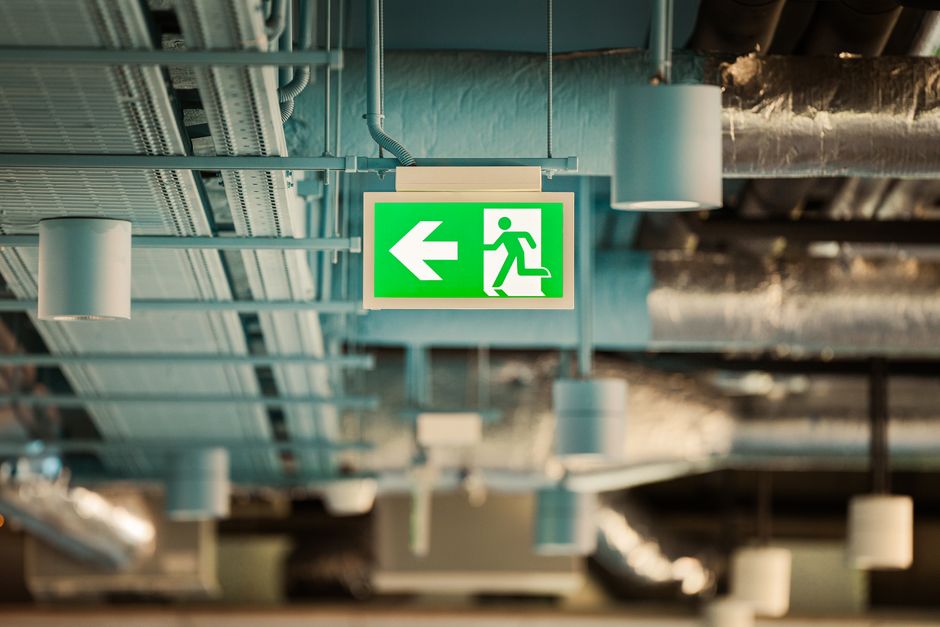
When a move turns into an evacuation, there is no luxury of time. A boiler leak, an unsafe ceiling, an urgent tenancy issue, or a sudden family change can flip a normal moving day into a race against the clock. That is the reality behind an Emergency Hatton Move: Same-Day Evacuation Case Study. It is not just about getting boxes from A to B. It is about protecting people, preserving what can be saved, and making calm decisions when the pressure is very much on.
This article breaks down how a same-day evacuation move typically unfolds in Hatton, what makes it different from a standard removal, and how to prepare quickly without making rushed mistakes. You will also find practical checklists, a comparison table, and a realistic case study-style example built around common local moving pressures. Let's face it, when the phone rings and the deadline is already here, a clear plan is worth its weight in gold.
- Why it matters
- How it works
- Key benefits
- Who needs this
- Step-by-step guidance
- Expert tips
- Common mistakes
- Tools and resources
- Compliance and best practice
- Options and comparison
- Case study example
- Practical checklist
- Conclusion
- Frequently asked questions
Why Emergency Hatton Move: Same-Day Evacuation Case Study Matters
Emergency moving is a different category altogether. A standard removal can be planned over days or weeks, but an evacuation move often starts with a stressful trigger: a property issue, an access problem, a landlord deadline, a sudden relocation request, or a home that simply cannot stay occupied safely for another night.
What makes this topic so important is the overlap between speed and judgement. In an ordinary move, you can sort, label, compare options, and maybe go back for the lamp you forgot. In an emergency move, that luxury disappears. The main goal becomes simple: move the essentials safely, remove risk, and keep the process controlled enough that nothing else goes wrong.
In our experience, people underestimate how fast a "small issue" becomes a full logistical problem. A burst pipe at breakfast can affect furniture, flooring, and electrical safety by lunch. A last-minute notice from a landlord can mean the difference between a planned flat move and a panicked scramble. That is why a same-day evacuation case study is useful: it shows what good decision-making looks like under pressure.
It also helps to know that a fast move is not just about lifting boxes. It often involves parking, access routes, stair safety, fragile items, furniture dismantling, and temporary storage decisions. If you want a broader view of how same-day work is normally handled, same-day removals in Hatton provides a useful local context.
How Emergency Hatton Move: Same-Day Evacuation Case Study Works
A same-day evacuation move usually follows a compressed version of a normal removal process, but with more triage. Think of it as sorting the property into three lanes: must-go-now, can-wait, and should-stay behind or go to storage. That sorting step is the backbone of the whole operation.
The process typically starts with a rapid assessment. The mover or household lead needs to identify what is happening, what must be protected, and how much can realistically be moved in one push. From there, the plan focuses on access, vehicle size, loading order, and any special handling requirements.
A good emergency move is rarely perfect. It is practical. Sometimes that means leaving decorative items behind so the washing machine, mattresses, or essential documents can move first. Sometimes it means loading fragile items into one protected section of the van and using storage for the rest. There is no prize for taking everything in one go if it causes damage or delays.
For many households, the physical side of the move runs more smoothly when packing basics have already been considered. If you need a refresher on wrapping, boxing, and organising quickly, the guide to packing when relocating your home is a good supporting read.
Here is the simple flow most emergency moves follow:
- Confirm the reason for evacuation and the deadline.
- Decide what must be removed first.
- Check access, parking, and stairways.
- Gather packing supplies and protective materials.
- Load priority items in a sensible order.
- Move furniture and bulky items only if the route is safe.
- Place leftovers into storage, disposal, or a second visit if needed.
It sounds basic, but under pressure basic is good. Basic keeps you moving.
Key Benefits and Practical Advantages
The biggest advantage of a same-day evacuation move is speed, but that is not the only one. When done properly, it reduces stress, limits property damage, and gives people a more immediate sense of control. That last point matters more than people realise. Once the first load is out, the room feels less like a crisis and more like a plan.
Other practical benefits include:
- Reduced exposure to risk if the property is unsafe, damp, unstable, or otherwise unsuitable for overnight occupancy.
- Faster protection of valuables such as documents, devices, medication, or sentimental pieces.
- Less chance of last-minute damage because items are moved before further disruption occurs.
- Clearer decision-making as the move is focused on essentials, not the full wish list.
- Better use of temporary storage for items that should not be rushed.
If the job involves furniture, especially awkward or heavy pieces, it helps to understand the handling side properly. A useful related resource is solo heavy lifting safety, which is relevant when you are deciding what not to attempt alone.
Key takeaway: the best same-day evacuations are not the fastest at any cost. They are the most controlled move possible under a hard deadline.
Who This Is For and When It Makes Sense
Emergency evacuation moving is not only for dramatic situations. Plenty of people need it for much more ordinary-looking reasons that still have urgent consequences. A tenancy issue, a sudden repairs notice, a ceiling hazard, or a business premises problem can all trigger same-day action. It is not always dramatic, but it is often urgent.
This approach makes sense for:
- Tenants who have received urgent move-out instructions
- Homeowners dealing with water damage, structural concerns, or access problems
- Landlords needing fast clearance before repairs or re-letting
- Students who need rapid relocation at the end of term or between lets
- Small offices that need to evacuate equipment quickly
- People who must move essential items into temporary storage first
It also makes sense if the property is cramped, awkward to access, or full of large items that cannot be left behind. For example, a sofa, bed, or wardrobe may need removing before contractors can get in. In those situations, a specialist approach to furniture removals in Hatton can save a lot of headache.
Truth be told, people often delay asking for help because they think they can manage it in a few hours. Then the clock runs out, the lift is too small, and the car is already full. That is usually the moment the sensible option becomes obvious.
Step-by-Step Guidance
If you are facing a same-day evacuation move, the most useful thing you can do is break the job into tiny decisions. Big decisions under pressure are messy. Small decisions are manageable.
1. Confirm the deadline and the reason
Write down the exact move-out time, the access restrictions, and any conditions you have been given. Is this a full evacuation, a partial clearance, or an urgent relocation of just the essentials? That distinction matters a lot.
2. Create a "must-take" list
Start with identification, keys, phones, chargers, medication, documents, cash, and children's essentials if relevant. Then move to bedding, a change of clothes, and any high-value electronics. The list is simple, but it stops the panic loop.
3. Walk the property once before touching anything
Check ceilings, floors, stairs, narrow hallways, and door frames. A damaged plasterboard corner or a low light fitting can turn a quick move into a repair bill. If you want a focused reminder on protecting the building itself, read about ceiling safety measures in a move.
4. Pack by urgency, not by room
In a normal move, room-by-room packing often works. In an emergency, priority wins. Pack the most important items first, even if they are spread across the house. It is slightly chaotic, yes, but controlled chaos beats neatness here.
5. Separate fragile and bulky items
Anything breakable should be wrapped quickly and labelled clearly. Bulky items should be assessed for whether they can be moved today or should go into storage. A large mattress or bed frame may need special handling, so it helps to review bed and mattress transport advice before the van arrives.
6. Load in the right order
Load the heaviest, most stable items first, then stack lighter protected items around them. Keep urgent essentials accessible so you do not have to unload half the van to find one bag of documents. Small detail, big difference.
7. Decide what happens to the rest
Any remaining items should be sent to storage, kept for a later run, or responsibly cleared. If you need a place to hold belongings while the immediate crisis settles, storage in Hatton is the kind of fallback that keeps the move from becoming impossible.
Expert Tips for Better Results
The difference between a difficult emergency move and a manageable one often comes down to a few small choices. Nothing glamorous, just the stuff experienced movers notice immediately.
- Keep one bag of essentials separate. Put chargers, medication, documents, toiletries, snacks, and a change of clothes in it.
- Use the nearest exit first. Do not fight the whole house if one route is safer and clearer.
- Strip items down early. Remove cushions, drawers, loose shelves, and detachable parts to make furniture lighter.
- Protect floors and corners. A fast move should not create a second problem.
- Take a one-minute pause before loading. It sounds odd, but it helps people think clearly. Just breathe, then continue.
If the move involves especially awkward furniture, a sofa, or items that need longer-term care, the following guide can help you think ahead: sofa storage and preservation tips.
A small but important habit: label the last box of the day as "open first." People forget this in the rush, and then end up hunting for toothpaste at 11 p.m. We have all seen that scene. Not ideal.

Common Mistakes to Avoid
Emergency moves tend to go wrong in the same handful of ways. The good news? Most are avoidable if you spot them early enough.
- Trying to move everything. In a crisis, full completion is not always realistic.
- Ignoring access issues. A tight driveway, narrow staircase, or parking restriction can derail the whole plan.
- Overpacking boxes. Heavy boxes slow everything down and increase injury risk.
- Leaving dangerous items for later. If something could leak, break, or cause harm, deal with it early.
- Skipping a sort. If you do not triage items, the emergency move becomes clutter management under pressure.
- Leaving fragile items unwrapped. One bump in the van and it is game over for that lamp.
There is also a common emotional mistake: assuming that urgency means you have failed. Not true. Sometimes life just gets messy, and you deal with it. That's it.
For people who want to avoid late-stage panic next time, a little preparation goes a long way. The article on decluttering for a stress-free move is worth keeping in mind even if you are reading this during a much more immediate problem.
Tools, Resources and Recommendations
You do not need a warehouse of equipment to handle an emergency move, but a few practical items make the process much safer and quicker. The aim is not perfection. It is speed with control.
| Tool or resource | Why it helps | Best use in an emergency move |
|---|---|---|
| Strong boxes | Protects belongings and keeps loading tidy | Fast packing of essentials and mixed items |
| Parcel tape and labels | Reduces confusion at unloading | Mark urgent boxes, fragile items, and storage loads |
| Blankets and wraps | Helps prevent scuffs and breakage | Furniture, screens, and furniture corners |
| Trolley or sack truck | Limits heavy lifting | Fridges, boxes, and awkward loads where access allows |
| Temporary storage | Gives breathing space when not everything can move today | Second-stage relocation or overflow items |
For packing supplies themselves, packing and boxes in Hatton is a sensible reference point. And if you need to move a few items yourself before the larger load is handled, a careful read of kinetic lifting techniques can help keep lifting safer and more efficient.
One more practical note: if the evacuation is linked to a property handover, damaged or dirty spaces can complicate the situation further. It may be worth reviewing how to achieve a spotless home before you move out once the urgent items are secure.
Law, Compliance, Standards, or Best Practice
When a move is urgent, compliance can feel like a side issue. It is not. Safety, access, and fair handling matter even more when time is short. In the UK, best practice usually means checking that the move does not create avoidable risk for the people involved, the property, or nearby pedestrians and traffic.
That includes sensible handling of heavy objects, clear walkways, safe lifting, and respectful treatment of shared spaces such as hallways, lifts, and communal entrances. If the property is rented, lease terms and move-out obligations may also affect what has to happen and by when. It is always wise to read the paperwork carefully, even if you are skimming with one eye on the clock.
Parking and access are another big piece of the puzzle. In Hatton and the wider Warwickshire area, local parking rules, narrow streets, and limited loading space can quickly affect the move. A quick planning check can prevent delays, fines, or blocked access. For local context, parking rules and fines in Hatton is a relevant read.
Best practice also means knowing when a move crosses from "doable" to "too risky." If a ceiling looks compromised, a staircase is unstable, or an item is far too heavy for the available crew, stop and change the plan. There is no hero badge for forcing it.
For organisations and households alike, the surrounding service standards matter too. The pages on insurance and safety and health and safety policy are useful touchpoints when you want reassurance about how careful moving work should be approached.
Options, Methods, or Comparison Table
Not every emergency move needs the same setup. Some people need a full same-day evacuation. Others only need a partial removal, a quick man-and-van run, or a short-term storage bridge. Choosing the right method can save time and money, and often quite a bit of stress too.
| Method | Best for | Pros | Limitations |
|---|---|---|---|
| Same-day evacuation move | Urgent property clearance or relocation | Fast, focused, practical | May require triage and storage for overflow |
| Man and van | Smaller loads or short notice moves | Flexible and often simple to arrange | Not always ideal for larger or more complex furniture |
| Full removal service | Households with many items or bulky furniture | More support for loading and handling | May take longer to plan fully, even if still fast |
| Temporary storage first | When the next destination is not ready yet | Buys time and reduces pressure | Requires later follow-up move |
If you are trying to decide between a lighter-load approach and a more comprehensive service, the overview pages for man and van in Hatton, man with a van in Hatton, and removal services in Hatton help frame the options in plain language.
There is also a sensible budgeting angle. If you are comparing short-notice help against larger teams, the article on comparing quotes with national chains can help you think through value, not just headline price.

Case Study or Real-World Example
Here is a realistic example based on the kind of situation people in Hatton often describe, though the details are kept general. A tenant receives an urgent request to clear a flat the same day after an unexpected issue with the property. The place includes a bed, a sofa, a table, boxes of household items, and a few fragile personal belongings. Not everything can go to the new address immediately, because the new place is not fully ready yet.
The first step is triage. Documents, valuables, clothing, and essential electronics are separated from furniture and non-urgent items. The sofa and bed are assessed for access. The hallway is narrow, so the route is checked before lifting begins. One piece of furniture is too awkward to risk alone, so it is dismantled rather than forced through a tight turn. Smart choice, that.
A second decision is made about overflow items. Rather than trying to cram everything into one vehicle, a small portion goes into temporary storage, while the essentials move immediately. This avoids damage, reduces waiting time, and gives the tenant somewhere safe to put belongings while the next accommodation is being finalised.
The move finishes with a quick property sweep to ensure nothing urgent has been left behind. It is not glamorous. But it works. The result is a controlled same-day evacuation rather than a chaotic race from room to room.
This is exactly why emergency removals are often best handled as a sequence of decisions rather than one giant job. If furniture handling is part of the picture, a dedicated option such as house removals in Hatton can be more suitable than trying to improvise every step yourself.
Practical Checklist
Use this checklist if you need to act fast. It is intentionally lean and practical.
- Confirm the move-out deadline and access window.
- Set aside ID, keys, phone, chargers, cash, and medication.
- Separate essential clothing and bedding.
- Check hallways, stairs, and door widths before lifting anything.
- Wrap fragile items quickly and label them clearly.
- Dismantle bulky furniture where possible.
- Keep one box marked "open first" for immediate essentials.
- Decide what goes to storage, what moves now, and what can be left.
- Protect floors, corners, and ceiling space on the way out.
- Leave time for a final room check before the vehicle departs.
If you are moving into or out of a smaller property, the advice in flat removals in Hatton may also be useful, especially where stairs, lifts, and tight turns are involved.
Practical summary: keep essentials separate, move in priority order, and treat storage as a valid part of the solution if it keeps the process safe.
Get a free quote today and see how much you can save.
Conclusion
An emergency move is rarely neat, and it does not need to be. What it needs is structure. The Hatton same-day evacuation case study approach works because it focuses on urgency without losing sight of safety, access, and realism. That balance is what turns a stressful day into a manageable one.
Whether you are dealing with a property issue, a fast tenancy deadline, or an unexpected need to relocate, the smartest move is to prioritise what matters most, protect what can be protected, and let the rest be handled in stages. A good emergency plan is not glamorous. It is simply steady, sensible, and kind to your future self.
And if the day feels overwhelming, that is normal. Take the next small step, then the next. Usually that is enough.