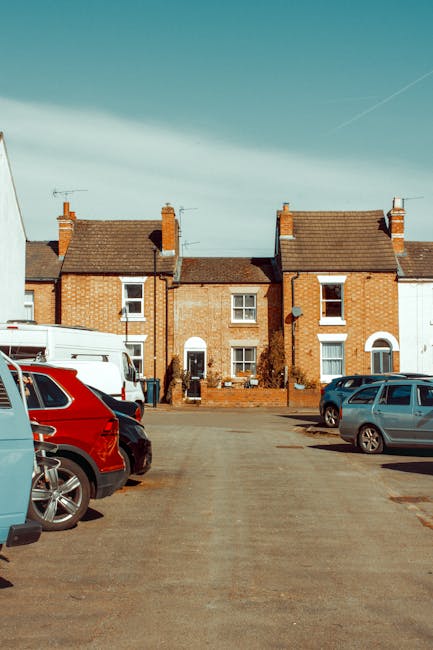
Moving House in Hatton: CV35 Street-by-Street Guide
Moving home is rarely just about boxes and tape. In Hatton, it can be about tight lanes, village access, parking awkwardly near a terrace, or timing the van around school runs and local traffic. This Moving House in Hatton: CV35 Street-by-Street Guide is designed to make the whole thing feel less like a juggling act and more like a plan you can actually trust.
Whether you are moving from a cottage off a quieter lane, a newer home on a small estate, or a property closer to Hatton Locks, the details matter. A smooth move is usually won before the first box is lifted. It starts with knowing the road layout, checking access, and choosing the right moving support for your property type. Truth be told, that is where many moving day headaches begin.
Below, you will find a practical, local-minded guide to moving house in Hatton, with advice that works street by street rather than treating the whole area as one generic postcode. If you are weighing up options such as home moves, comparing house removals, or deciding whether a smaller vehicle is the better fit, this article will help you make those calls with more confidence.
Key takeaway: In Hatton, the best move is usually the one that matches your street, access, and loading conditions-not just your inventory list. A little local planning goes a long way.
Table of Contents
- Why Moving House in Hatton: CV35 Street-by-Street Guide Matters
- How Moving House in Hatton: CV35 Street-by-Street Guide Works
- Key Benefits and Practical Advantages
- Who This Is For and When It Makes Sense
- Step-by-Step Guidance
- Expert Tips for Better Results
- Common Mistakes to Avoid
- Tools, Resources and Recommendations
- Law, Compliance, Standards, or Best Practice
- Options, Methods, or Comparison Table
- Case Study or Real-World Example
- Practical Checklist
- Conclusion
- Frequently Asked Questions
Why Moving House in Hatton: CV35 Street-by-Street Guide Matters
Hatton sits in that part of the map where a move can change character from one street to the next. Some properties are easy to load from the drive. Others may mean a longer carry, limited turning space, or a van that cannot sit neatly outside for very long. That is why a street-by-street approach matters. It is not just local flavour. It is practical risk reduction.
If you have ever watched a removal team pause because a van cannot swing into place, you will know the feeling. It is a small delay, but it adds pressure. Then the kettle is somewhere in a box, someone needs the meter reading, and the estate agent is asking for keys. Not ideal.
A location-aware moving plan helps you anticipate:
- where the vehicle can stop without causing issues
- whether large items need to be carried further than expected
- how long loading and unloading may really take
- if there are narrow access points, gates, steps, or low branches
- whether you should choose a smaller van, a larger truck, or a full removal service
It also helps with timing. Hatton is not a sprawling city centre, but local roads can still feel busy at the wrong moment. A school pickup window, a commuter surge, or a narrow road occupied by parked cars can turn a straightforward move into a bit of a puzzle. Street-by-street planning means you are not surprised by those details. You have already thought them through.
How Moving House in Hatton: CV35 Street-by-Street Guide Works
The idea is simple: instead of planning your move by postcode alone, you look at the precise street, lane, driveway, or access route involved. That includes the property you are leaving, the property you are moving into, and the route in between where loading and unloading will happen. Sometimes that route is longer than the move itself.
For a terraced home or older cottage, the practical questions are usually about parking, carrying distance, and whether a van can get close enough to avoid multiple trips. For a detached property with a drive, the bigger issue may be how much furniture needs dismantling to fit through doors safely. Different streets, different realities.
A good moving process usually follows this rhythm:
- Assess the property type. Is it a flat, terrace, semi, cottage, or larger family home?
- Check access. Look for tight bends, gate widths, overhead branches, steep driveways, and any awkward kerbs.
- Estimate loading time. A one-bed home can still take longer than expected if access is poor or parking is limited.
- Choose the right moving method. A man and van setup may suit smaller moves, while a larger home may need a fuller removals team.
- Prepare for the new address. Make sure the arrival point is ready for unloading, not just the old address ready for departure.
This is where removal services can feel very different from a simple vehicle hire. The right service is not always the biggest one. Sometimes it is the one that fits the street and the job. If you want extra help with furniture handling, a man with van option may suit a lighter move, while a larger household might need a more comprehensive team.
Key Benefits and Practical Advantages
The main benefit of a street-by-street guide is clarity. You stop guessing. And once you stop guessing, you usually waste less time and make fewer expensive mistakes.
Here are the biggest practical advantages:
- Better vehicle choice: You can match the van or truck to the access available, rather than overpaying for something oversized or struggling with something too small.
- Less risk of delay: If you know where parking is difficult, you can build in a realistic buffer.
- Fewer damaged items: Shorter carries and better route planning reduce the chances of furniture being knocked, scraped, or rushed.
- Lower stress: Simple really. Knowing the plan makes the day feel calmer.
- More accurate quotes: When movers understand the street layout, loading conditions, and number of trips required, they can price more sensibly.
There is also a subtler benefit: better communication. When you describe access clearly to a mover, they can advise more precisely. You are not just saying "it is a house move." You are saying, in effect, "this is a two-storey home on a narrow lane with limited parking and a long carry." That is a useful conversation.
And yes, it can save money. Not every move needs the full big-truck solution. Sometimes the smarter answer is a smaller vehicle, a tighter schedule, or a team that knows how to work efficiently in village conditions. No drama, just a better fit.
Who This Is For and When It Makes Sense
This guide is useful for almost anyone moving in or around Hatton, but it is especially relevant if your move has any of the following features:
- you live on a narrow road or lane
- parking is limited or shared
- there is a long walk from the van to the front door
- you are moving a family home with bulky furniture
- you have fragile or awkward items such as mirrors, garden furniture, pianos, bikes, or appliances
- you want to compare a full removals team with a smaller van-based option
If you are relocating from a flat, you may also need to think about stairs, lifts, neighbours, and building rules. If you are moving a business or part of a home office, then moving outside peak hours can be helpful. For those situations, commercial moves and office removals may be worth looking at, even if only to understand how a more structured move is managed.
This guide also makes sense if you are not sure what service level you need. That is common. People often think they need one thing, then realise the access or volume suggests something else entirely. A quick sense-check now can save a last-minute scramble later. And nobody wants that on moving day.
Step-by-Step Guidance
A street-aware move works best when you treat it like a sequence, not a single event. The move starts days earlier than the van arriving. Here is a practical way to break it down.
1. Walk the route from pavement to front door
Stand at the property and look at the route as if you were carrying a sofa, not a shopping bag. Is there a tight gate? A low ceiling light in the hall? A step into the property? A sharp turn at the top of the stairs? These details matter more than people expect.
If you can, measure doorways and check whether furniture needs to be dismantled. That old wardrobe may fit in theory, but theory has a funny way of being unhelpful on moving day.
2. Decide what needs professional handling
Not everything needs specialist attention, but some items do. Heavy wardrobes, white goods, glass tables, and awkward sofas are obvious examples. If your move includes a lot of furniture, a team with house movers experience may be a better match than a purely transport-based option.
For smaller moves, self-packed boxes plus support with lifting can be enough. For larger homes, a more managed service often pays off in speed and reduced hassle.
3. Sort your parking and access plan early
Do not leave parking to chance. In a street-by-street move, that is where things go sideways. Check whether the van can park directly outside, whether a driveway is usable, and whether any neighbours' parking patterns could affect loading. A short, calm conversation with those nearby can help a lot.
If there are restrictions or shared access points, factor that in. A little planning avoids the awkward moment where everyone is staring at the van and nobody is quite sure where it is supposed to go.
4. Pack by room and by priority
Room-based packing makes unloading easier, but priority-based packing makes your first night much nicer. Keep a "first open" box with essentials: chargers, tea bags, toilet roll, medication, basic tools, and a change of clothes. Honestly, that box becomes your best friend by about 8 p.m.
Label boxes clearly on more than one side. When boxes are stacked in a hall or landing, you do not want to spin them around looking for one word written in tiny pen.
5. Plan arrival at the new address
People often over-focus on the old house. Then they get to the new one and realise the driveway is occupied, the hallway is too narrow for two movers side by side, or the box labels are not as clear as hoped. Make the arrival route easy. Clear the front path, unlock gates, and remove any small obstacles before the van turns up.
If you are using a bigger vehicle, a moving van or moving truck may be suitable depending on volume and access. The point is not to choose the biggest option. The point is to choose the one that works.
6. Do a final sweep before departure
Check cupboards, loft areas, shed corners, and behind doors. It is always the smallest forgotten item that causes the most irritation later. Keys, remotes, and meter notes should be kept together and with you, not tucked into some mysterious "safe place." Safe places have a habit of vanishing.
Expert Tips for Better Results
Here are the little things that make a real difference. They are not glamorous, but they work.
- Use colour coding: A coloured sticker on each room saves time when unloading.
- Photograph tricky setups: Take pictures of cable arrangements, shelf positions, or appliance connections before dismantling anything.
- Leave one clear walkway: Even in a full-house move, keep a route open from door to vehicle.
- Protect floors early: Hallways and entrances take a beating during a move, especially in wet weather.
- Keep valuables separate: Passports, documents, jewellery, and medication should travel with you.
- Be honest about volume: A slightly optimistic estimate can create a very real problem when the van is half an item short of fitting everything.
One practical trick we have seen work well in local moves is to create a "do not load last" pile. That is where you put anything you know you will need early at the new property. It sounds obvious. Yet somehow the kettle, phone chargers, and toilet cleaner often disappear into the final wave of boxes. Classic.
If you are undecided between service types, ask how loading time is calculated, what happens if access is slower than expected, and whether dismantling or reassembly is included. Clear answers usually tell you more than a glossy service description.
Common Mistakes to Avoid
Some moving mistakes are so common they almost feel inevitable. Almost. You can still sidestep them.
- Assuming the street is easy because the postcode is small: A short lane can be more difficult than a busy main road.
- Underestimating carry distance: Even 20 extra metres becomes tiring when repeated with heavy boxes.
- Booking the wrong vehicle size: Too small means multiple trips. Too large may be hard to park.
- Leaving packing too late: This is the classic. It always looks manageable until the day before.
- Forgetting access at the new home: A move is two addresses, not one.
- Not protecting furniture: A moving blanket or wrap can prevent avoidable scuffs.
Another mistake is assuming every removal firm works the same way. They do not. Some are ideal for full-house support, others are better for smaller moves, pickups, or flexible transport. If you need help with one-off items or mixed loads, you might also consider furniture pick-up as part of a broader moving plan.
And let's face it, the day always feels shorter than it should. That is why the best fix is not heroic effort at 10 p.m. It is a better plan at 10 a.m. the day before.
Tools, Resources and Recommendations
You do not need fancy equipment, but a few practical tools can make a big difference.
| Tool or resource | Why it helps | Best used for |
|---|---|---|
| Strong tape and labels | Speeds up packing and room sorting | All home moves |
| Blankets or protective wraps | Reduces scratches and bumps | Furniture, frames, appliances |
| Basic toolkit | Useful for dismantling beds or tables | Flat-pack and bulky items |
| Box cutter and marker pens | Quick access and better box identification | Packing day |
| Floor protection | Helps keep hallways and doorways clean | Wet or high-traffic move days |
On the service side, it is worth comparing the level of help you really need. For some households, a straightforward man and van removals service is enough. Others prefer the reassurance of a larger, more comprehensive setup. If you are moving several rooms or a family home, looking at removals more broadly can help you understand what support is available.
Also, keep your documentation in one place. Tenancy papers, completion details, ID, utility notes, and any mover instructions should not be scattered across your kitchen counter. You will thank yourself later. Probably twice.
Law, Compliance, Standards, or Best Practice
Moving house in the UK usually involves a few practical compliance points rather than complicated legal hurdles. The main thing is to stay organised, respect access arrangements, and make sure any mover you use is operating safely and transparently.
Good practice typically includes:
- clear communication about access, parking, and loading conditions
- keeping walkways safe and free from trip hazards during loading
- checking what insurance cover applies to belongings in transit
- understanding payment terms before the move starts
- treating shared spaces, neighbours, and common areas with care
If the move involves block access, shared driveways, or narrow public lanes, it is sensible to think about local permissions and courtesy. You do not need to overcomplicate it, but you do need to plan properly. A respectful move tends to go more smoothly than a rushed one.
It is also wise to review the mover's published policies, especially around safety and complaints. Pages such as health and safety policy, insurance and safety, and terms and conditions are useful because they explain how the company expects to work. That is not box-ticking. It is part of making an informed choice.
If you are comparing providers, you may also want to review pricing information in advance via pricing and quotes. Transparent pricing helps you compare like with like, especially if one move involves easier access than another.
Options, Methods, or Comparison Table
Choosing the right moving method depends on property size, access, and how much help you want on the day. Here is a straightforward comparison.
| Option | Best for | Strengths | Possible drawbacks |
|---|---|---|---|
| Man with van | Small to medium moves, single rooms, lighter loads | Flexible, often quicker to book, useful on tighter streets | Less suited to very large household moves |
| Removal van | Typical household moves where transport and loading are needed | Good balance of capacity and practicality | May still require careful access planning |
| Removal truck | Large homes, multiple bulky items, bigger inventories | Higher capacity, better for bigger relocations | Can be harder to manoeuvre on narrow roads |
| Full removals service | Family homes, time-sensitive moves, more demanding logistics | More support, less stress, often more efficient | Usually the most involved option |
In a place like Hatton, the "best" option is often the one that fits the access reality. A large truck can be brilliant on the right street and awkward on the wrong one. Smaller vehicles can sometimes be faster overall because they can park closer and load more efficiently. Funny how that works.
If sustainability matters to you, you may also want to look at recycling and sustainability. Reusing packing materials, reducing waste, and planning what gets moved versus what gets donated can make the process feel more responsible and less cluttered.
Case Study or Real-World Example
Here is a realistic example based on the kind of move people often make in Hatton.
A couple moved from a compact cottage on a quiet lane into a three-bedroom home nearby. On paper, it looked straightforward. In practice, the lane had limited passing space, the front entrance had a short but awkward path, and one side table barely fit through the hallway without turning. Nothing dramatic. Just enough small complications to make the day feel longer.
They solved it by doing three things early:
- they pre-packed and labelled room by room
- they checked the route from van to front door in advance
- they chose a vehicle size that could park nearer the property
The move was not perfect. One box ended up in the wrong room and there was a brief debate about whether the toaster had been packed or stolen by a cupboard. It was packed, of course. But overall, the day ran calmly because the access plan had been thought through.
That is the real lesson. Street-specific planning does not eliminate all moving stress. It just keeps the stress from spilling into chaos. A small difference, but a very meaningful one.
Practical Checklist
Use this checklist in the days leading up to your move. It keeps the important bits in one place.
- Confirm moving date, arrival time, and access details
- Measure key doors, hallways, and awkward turns
- Check parking options at both addresses
- Decide whether you need a smaller van, larger vehicle, or full removals support
- Pack an essentials box for the first 24 hours
- Label boxes by room and priority
- Protect floors, corners, and fragile furniture
- Keep valuables and important documents with you
- Notify neighbours where needed, especially if access may be tight
- Review the mover's safety, insurance, and payment information
- Do a final sweep of cupboards, lofts, sheds, and under-stair storage
- Make sure the new property is ready for unloading
If you want a lighter move with practical support, it can help to compare man and van style help with fuller removal company services. The right fit depends on your inventory, access, and how much lifting you want to avoid.
Conclusion
Moving house in Hatton is easier when you treat each street as its own little project. The road, the parking, the carry distance, the vehicle size, and the final unloading point all shape how the day feels. When those details are handled properly, the move becomes far more manageable.
The main idea is simple: plan the move around the property, not just the postcode. That is what makes a street-by-street guide genuinely useful. It helps you choose better, pack smarter, and keep the day moving instead of reacting to surprises one by one.
And if the whole thing still feels a bit much, that is normal. Most people feel that way before a move. The good news is that a clear plan does calm things down, step by step. You do not need a perfect moving day. You just need one that works.
Get a free quote today and see how much you can save.
With the right preparation, even a busy move in Hatton can feel orderly, local, and surprisingly human.
Frequently Asked Questions
What does a street-by-street moving guide mean in Hatton?
It means planning your move based on the exact street, lane, or access point rather than treating Hatton as one general area. That helps with parking, van size, carry distance, and timing.
Why is access such a big deal when moving house?
Because access affects almost everything: how close the vehicle can get, how long loading takes, and how much lifting is involved. A poor access plan can add time and stress very quickly.
Is a man and van service enough for a house move in Hatton?
Sometimes yes, especially for smaller homes, lighter loads, or short-distance moves. For larger households or awkward access, a fuller removals service may be more suitable.
How far in advance should I book my move?
The earlier the better, especially if you need a specific date or have tricky access. Even a small move can become harder to arrange if you leave it too late.
What should I check before the van arrives?
Check parking, clear walkways, label boxes, protect floors, and keep your essentials box separate. Also make sure the new property is ready for unloading.
Do I need to dismantle furniture before moving?
Not always, but large wardrobes, bed frames, or bulky tables may need dismantling to fit safely through doors or stairways. It is worth checking in advance rather than guessing on the day.
How do I avoid damaging floors and walls?
Use floor protection, clear narrow routes, and move large items carefully with enough people handling them. Rushing through doorways is where a lot of avoidable scuffs happen.
What if parking outside my Hatton property is limited?
That is common enough and worth planning around. If parking is tight, choose a vehicle that can park nearby, and allow extra time for carrying items from the van to the door.
Should I compare removal quotes by price only?
No. Price matters, but so do access planning, service level, insurance, and what is actually included. A cheaper quote can become more expensive if it does not cover the support you need.
What items are best kept with me during the move?
Keep valuables, keys, documents, medication, chargers, and anything you will need immediately in the first 24 hours. That way you are not hunting through boxes later.
Can I get help with just one or two heavy items?
Yes, and that is often a sensible choice. If you only need support with a sofa, bed, or appliance, a more flexible moving service may be enough.
What should I look for in mover policies?
Check safety guidance, insurance cover, payment terms, and complaints procedures. Those details tell you a lot about how the company operates and how carefully it handles jobs.
Is there a best time of day to move in Hatton?
Usually earlier is better, especially if access is shared or parking may get busier later in the day. That said, the best timing also depends on your own completion or handover schedule.
How do I make the first night in the new house easier?
Pack an essentials box with tea, toiletries, chargers, bedding, and a few basic tools. A calm first evening makes the whole move feel more manageable, even if the rest of the day was a bit messy.