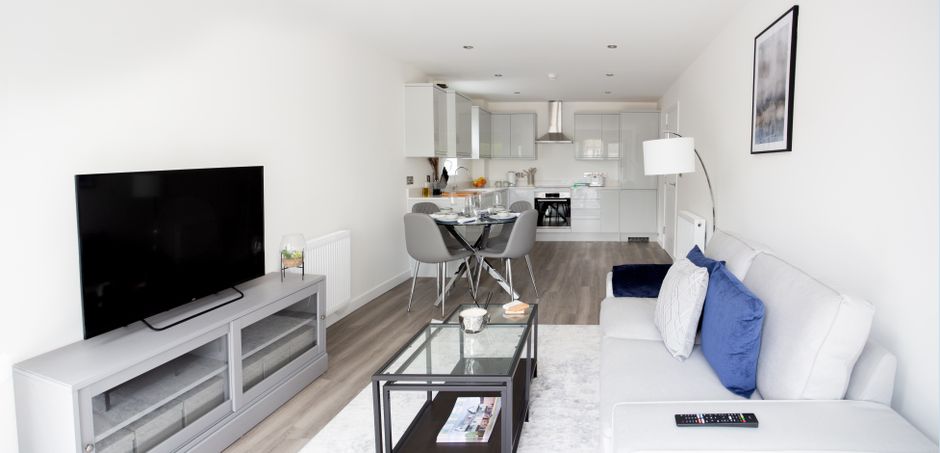
Real Costs: Move a 2-Bed Flat in Hatton

If you are trying to pin down the real costs to move a 2-Bed Flat in Hatton, you are probably juggling a few things at once: van size, access, packing, parking, time off work, and the nagging worry that one small detail will push the price up. Fair enough. Flat moves can look straightforward from the outside, but in practice they are rarely just "load and go". Stairwells, lift access, tight roads, permit rules, awkward furniture, and last-minute boxes all make a difference.
This guide breaks down what actually influences the price, how removal quotes are usually built, where hidden costs creep in, and how to keep your move efficient without cutting corners. If you want the bigger service picture too, it can help to look at removals, man and van, and the company's pricing and quotes information while you compare options.
Let's face it: nobody enjoys overpaying to move a sofa that barely fits through the door in the first place. So below, you will find a practical, human explanation of what you should expect to budget for, what is worth paying extra for, and what you can do yourself to keep the bill sensible.
- Why real costs matter
- How pricing works for a 2-bed flat move
- Key benefits of planning properly
- Who this guide is for
- Step-by-step moving guidance
- Expert tips to save money and stress
- Common mistakes to avoid
- Tools, resources and recommendations
- Law, compliance and best practice
- Options and cost comparison
- Real-world example
- Practical checklist
- Conclusion
- Frequently asked questions
Why Real Costs: Move a 2-Bed Flat in Hatton Matters
The phrase "real costs" matters because moving quotes are often misunderstood. A price that looks low at first glance may only cover transport and labour for a short window, while the actual move needs packing help, a larger vehicle, waiting time, or extra handling for bulky items. In other words, the quote you see is not always the total you pay.
For a 2-bed flat in Hatton, the bill can be affected by a mix of local and logistical details. A ground-floor apartment with good parking and light furniture is one thing. A fourth-floor walk-up with no lift, a narrow street, and a fridge that needs two people to manoeuvre through a hallway? That is a different job entirely.
Understanding the true cost helps in three practical ways:
- you can budget with fewer surprises;
- you can compare quotes on a like-for-like basis;
- you can decide where to save money and where not to be penny-wise and pound-foolish.
It also helps you plan the move day itself. A cheap quote can become expensive if it does not include the time, protection, or handling you really need. Truth be told, most moving stress starts with unclear expectations, not the van.
How Real Costs: Move a 2-Bed Flat in Hatton Works
Most removal firms build a flat-move quote from a few core ingredients: labour, vehicle size, mileage, access difficulty, time, and any extras such as packing materials or dismantling services. If you are using a man with van removal or a broader removal company, the structure may be simple, but the variables are still the same.
A 2-bed flat is usually priced by a combination of job length and complexity. A short local move with easy access may only need a small team and a standard moving van. A more involved move could need two movers, a larger vehicle, and extra time for stairs, loading, parking, or multiple trips. There is no magic formula, and that is exactly why clear inventory detail matters so much.
Common pricing inputs include:
- Volume of belongings - how much space your items take up in the van.
- Access - stairs, lifts, long carries, and parking distance.
- Distance - even local mileage changes fuel and time costs.
- Labour - number of movers and number of hours needed.
- Special items - wardrobes, white goods, mirrors, beds, or heavy furniture.
- Extras - packing, unpacking, disassembly, disposal, or storage.
One small but important point: if you ask for a quote based on "a 2-bed flat" alone, the result can be wildly vague. Two bedrooms do not tell the whole story. A minimalist flat with a bed, sofa, dining table, and eight boxes is very different from a fully furnished home with a desk, bike, bookcase, and enough kitchenware to open a small cafe. Slight exaggeration, but you get the idea.
Typical cost drivers you should not ignore
Here are the detail points that usually nudge a quote up or down:
- Floor level and lift access - every extra staircase can add time and effort.
- Parking restrictions - if the van cannot stop near the entrance, labour time rises.
- Fragile items - specialist wrapping and careful handling can take longer.
- Assembly work - beds, wardrobes, and modular furniture may need dismantling.
- Timing - weekends and month-end slots are often busier.
- Collection and delivery conditions - if either property is awkward, the whole move slows down.
Key Benefits and Practical Advantages
It might sound obvious, but knowing the real cost of moving a 2-bed flat gives you control. You make better decisions when you know what each part of the job is actually doing to the price.
There are some clear advantages to planning properly:
- Cleaner budgeting - fewer shocks on moving day and fewer awkward extras later.
- Better comparison - you can tell whether a quote includes only transport or the full service.
- Less waste - no paying to move items you could have sold, donated, or recycled first.
- Faster move day - a prepared flat is simply quicker to load.
- Less damage risk - proper packing and handling save money in the long run.
There is also a comfort factor that people underestimate. If you know the costs are under control, the move feels less like a crisis and more like a job that needs doing. That calmer headspace matters. It really does.
For anyone comparing household services, it can also help to explore broader options such as home moves, house removals, and house movers so you can match the service level to the complexity of your flat move.
Who This Is For and When It Makes Sense
This guide is for anyone moving a two-bedroom flat in Hatton and trying to work out what the move should realistically cost. That includes first-time renters, landlords helping tenants, couples upsizing or downsizing, and families moving out of a flat into a house.
It also makes sense if you are in one of these situations:
- you have been quoted a price that feels too low to trust;
- you are comparing a man and van removals option against a full removals service;
- you have limited time and need the packing handled as well;
- you are moving at short notice and want to avoid rushed decisions;
- you are trying to keep the move within a fixed budget.
If you are very hands-on and happy to pack, dismantle, and carry lighter items yourself, a smaller service may suit you. If your flat is full of awkward furniture or your move is happening on a tight schedule, a more complete service can be worth it. The trick is choosing based on actual need, not just headline price.
Step-by-Step Guidance
Here is a sensible way to approach the move without turning the whole thing into a weekend-long disaster.
- Take a real inventory. Walk room by room and write down the larger items, boxes, and anything fragile or awkward. Be honest. That old chest of drawers still counts, even if it has been used as a laundry shelf for six months.
- Check access at both properties. Note floor level, lifts, parking, narrow doors, shared hallways, and any steps at the entrance.
- Decide what you will pack yourself. If you want full support, look at packing and unpacking services. If you only need transport, say that clearly.
- Ask for a detailed quote. Make sure the price is based on your actual inventory and access conditions, not just a rough guess.
- Choose the right moving vehicle. A moving van may be enough for a lighter flat, while a larger removal van can suit fuller loads.
- Prepare the flat. Disassemble furniture, label boxes, defrost the freezer, and keep essentials separate.
- Protect high-value or fragile items. Mirrors, TVs, artwork, and glass tabletops deserve extra wrapping.
- Confirm timing and payment. Avoid confusion by checking arrival times, payment method, and any terms before the day.
A useful rule of thumb: the more preparation you do before the crew arrives, the less you tend to pay in waiting time. That is not always dramatic, but it adds up.
Expert Tips for Better Results
These are the practical little things that save money and headaches. Not glamorous, but effective.
- Measure the large furniture. If a wardrobe will not fit through the hallway, know that before move day.
- Photograph awkward access points. A few phone pictures can help the mover understand the job more accurately.
- Group boxes by room. It speeds up loading and unloading, which is especially useful in flats with shared entrances.
- Keep essentials with you. Kettle, toiletries, chargers, medication, documents, and a change of clothes. You will thank yourself later.
- Ask about insurance and safety. It is sensible to understand what is covered before anything is loaded.
- Move non-essentials early. Books, seasonal items, and spare bedding can be packed well ahead of time.
One tiny thing that people forget: lift bookings. If your building requires a lift reservation, check that early. It sounds dull, but it can save a very real delay. And delays, as you know, are where moving costs quietly creep.
Common Mistakes to Avoid
Most expensive moving mistakes are avoidable. They just happen because people are busy and assume the quote will magically cover everything.
- Giving an incomplete inventory. If the mover thinks there are ten boxes and you actually have thirty, the schedule can unravel fast.
- Ignoring access issues. "There is parking nearby" and "the van can stop outside" are not the same thing.
- Not confirming what is included. Packing materials, labour, dismantling, and waiting time should all be clear.
- Leaving packing until the night before. You end up paying with your sleep, your nerves, or both.
- Choosing only on price. The cheapest quote is not always the best value if it leads to delays, damage, or extra fees.
- Forgetting disposal costs. If you are clearing out furniture, consider whether it is being moved, reused, or removed responsibly.
There is a particular kind of move-day panic that arrives when the last bag is still full and the van is already outside. Avoid that. Seriously.
Tools, Resources and Recommendations
You do not need fancy equipment to move well, but a few simple tools make the process smoother:
- strong cardboard boxes in a few sizes;
- packing tape and tape dispenser;
- bubble wrap, paper, or blankets for fragile items;
- labels or marker pens for room-by-room sorting;
- furniture blankets and straps for transport;
- basic tools for dismantling beds and shelving;
- a phone checklist so nothing gets left behind in the chaos.
For people who want a more complete service, it can be worth comparing removal services with a more targeted man with van option. If your move is larger, or if you want the reassurance of a fuller crew, exploring removal company options may be the better fit.
The other recommendation is simple: ask for a written breakdown. A transparent quote is much easier to trust than a vague "around GBPX" estimate with a lot of hand-waving around it. Nobody has time for that.
Law, Compliance, Standards, or Best Practice
For a flat move, the main compliance concerns are usually practical rather than dramatic, but they still matter. Reputable movers should operate safely, handle goods with reasonable care, and be clear about terms, insurance, and payment. If a building has rules about loading bays, permits, lift use, or access times, those rules should be followed. That part is not optional.
Best practice in the removals industry usually includes:
- clear quote terms and service scope;
- reasonable handling of fragile and heavy goods;
- safe lifting practices and suitable vehicle loading;
- appropriate insurance arrangements;
- respect for property rules and local access restrictions;
- clear communication before, during, and after the move.
If you are reviewing service standards, it can help to look through the company's health and safety policy, insurance and safety details, terms and conditions, and payment and security information. That gives you a better feel for how the job is run and what protections are in place.
And yes, the boring paperwork bits matter. More than people think. A move is much easier when expectations are written down and nobody is relying on memory at 7 a.m.
Options, Methods, or Comparison Table
Different moving methods suit different budgets and levels of support. Here is a straightforward comparison to help you decide what makes sense for your 2-bed flat in Hatton.
| Option | Best for | Typical strengths | Trade-offs |
|---|---|---|---|
| Man and van | Smaller flat moves, lighter loads, short distances | Flexible, often cost-effective, simple to arrange | May not suit very heavy, complex, or full-service moves |
| Full removals service | Busy households, awkward access, fuller flats | More hands, more structure, less effort for you | Usually costs more than a basic transport-only option |
| DIY van hire | Highly organised movers with help from friends | Lower direct cost, full control of timing | You handle driving, lifting, packing, fuel, and the stress |
If you are comparing options, think beyond price alone. Time, stress, physical effort, and the risk of damage all have value, even if they are harder to put into pounds and pence. A slightly dearer move can still be better value. Often is, to be fair.
Case Study or Real-World Example
Imagine a typical two-bedroom flat move in Hatton: one double bed, one single bed, a sofa, two wardrobes, a dining table, a TV, a bicycle, a chest of drawers, and around twenty to thirty boxes. The flat is on the second floor, with a lift that is available but a bit slow, and parking is close but not directly outside.
In that sort of move, the final cost would usually be affected by how long loading takes, whether furniture needs dismantling, and how many trips the crew can complete in one go. If the flat is fully packed and labelled, the job might move smoothly. If boxes are scattered around the rooms and the mattress is still in its packaging, the same move can take noticeably longer.
Now imagine a second version of the same move: the customer has already sold the spare desk, packed the kitchen early, and made sure there is a clear route to the front door. The movers arrive, get straight to work, and the whole day runs more efficiently. Same flat, same postcode area, different real cost. That is the part people often miss.
One customer-style lesson from many similar jobs is simple: prep saves money. Not dramatically every time, but enough to matter.
Practical Checklist
Use this checklist in the days before the move.
- Confirm the moving date and arrival time.
- List every large item in both bedrooms, kitchen, and living room.
- Measure any furniture that might be tricky to get through doors or stairs.
- Check parking access at both addresses.
- Book lifts or loading spaces if your building requires it.
- Pack fragile items with extra care.
- Label boxes by room and priority.
- Separate essentials you need on the first night.
- Ask what the quote includes and what could cost extra.
- Review safety, insurance, and payment details before confirming.
If you are moving furniture separately, it may also be worth considering furniture pick up for items that are not worth transporting with the main load. Small thing, but it can tidy the move up nicely.
Get a free quote today and see how much you can save.
Conclusion
The real cost of moving a 2-bed flat in Hatton depends on much more than van size alone. Access, packing, labour, timing, and the amount of furniture you are actually moving all shape the final figure. If you understand those moving parts early, you can budget properly, avoid surprise add-ons, and choose the right level of service for your situation.
The best move is usually the one that feels organised rather than rushed. A calm quote, a clear inventory, and a sensible plan go a long way. And if the process still feels a bit much, that is normal. Moving is one of those life jobs that looks simple until you are standing in the hallway with a lamp, a suitcase, and a door that will not quite close.
Take it one step at a time, keep the practical bits clear, and the whole thing becomes much easier to handle.
Frequently Asked Questions
How much does it usually cost to move a 2-bed flat in Hatton?
The cost depends on access, distance, labour, and how much you need moved. A light, straightforward flat move is usually cheaper than a full, awkward one with stairs, parking issues, and bulky furniture. The most reliable way to know is to request a tailored quote based on your actual inventory.
What makes a 2-bed flat move more expensive?
The biggest cost drivers are difficult access, heavy items, packing requirements, long carries from the van, and time of day. If the movers need extra time to reach the property or dismantle furniture, the price can rise.
Is a man and van cheaper than a full removals service?
Often, yes, especially for smaller or simpler moves. But cheaper does not always mean better value. If your flat is full of furniture or you need packing help, a fuller service can save time and reduce stress.
Should I pack everything myself to save money?
Usually, packing yourself can reduce the cost, but only if you do it properly and in good time. Rushed packing can lead to damage, delays, and a more chaotic move day. A little order goes a long way.
How can I get a more accurate quote?
Give a clear inventory, mention access details, and be honest about awkward items. Photos of stairwells, entrances, or large furniture can also help the mover assess the job properly.
Do I need to dismantle furniture before the move?
It helps in many cases, especially for beds and wardrobes. If you are unsure, ask the mover whether dismantling is included or whether it should be done beforehand.
What should be included in the moving quote?
Look for clear details on labour, vehicle, distance, estimated time, and any extras such as packing materials or assembly. If anything is unclear, ask before you book.
Can access problems really change the cost that much?
Yes. Stairs, no lift, narrow hallways, or poor parking can slow everything down. Slower loading and unloading usually means more labour time, which affects the final price.
Is it worth paying for packing and unpacking services?
If you are short on time, have fragile belongings, or simply want a calmer move, it can be worth it. It is especially useful for busy households and flat moves with lots of small items.
What if I have items I do not want to move?
Sort them out before the move and decide whether to sell, donate, recycle, or dispose of them responsibly. Moving fewer items usually saves money and makes the day easier.
How far in advance should I book my move?
The earlier the better, especially if you want a weekend or month-end slot. Short-notice bookings are possible, but planning ahead usually gives you more choice and less pressure.
Where can I learn more about the company's policies and service standards?
You can review the company's about us page, along with insurance and safety, health and safety policy, and complaints procedure pages for more context on how moves are handled.