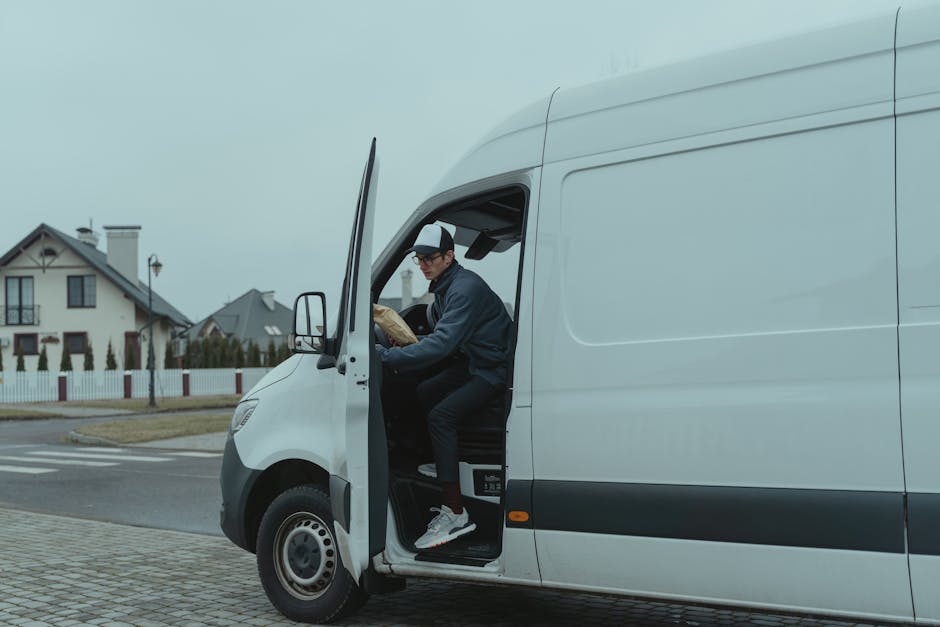
Station Road Hatton man with van removals access tips
If you are planning a move and the address is on Station Road Hatton, the small details around access can make the whole day feel calm or, frankly, a bit of a scramble. A good Station Road Hatton man with van removals access tips guide is not just about where the van parks. It is about timing, width, turning space, kerb access, neighbours, doors, stairs, and how to avoid that awkward five-minute pause while everyone stands about wondering where the trolley can safely go. Been there, seen it, fixed it.
In this article, you will get a practical, local-minded guide to planning a man and van move around Station Road Hatton. We will cover why access matters, how the process usually works, which shortcuts help, what mistakes cost time, and when it makes sense to book a more experienced team. If you need broader service options as you read, the main man with van service overview is a useful place to compare what is included.
To be fair, most moving stress does not come from the heavy lifting itself. It comes from the little access surprises: a parked car blocking the frontage, a tight bend, a steep path, or a stairwell that looked fine in daylight but turns out to be narrower than expected once the sofa arrives. The good news? Most of that can be planned around.
Table of Contents
- Why Station Road Hatton man with van removals access tips Matters
- How Station Road Hatton man with van removals access tips Works
- Key Benefits and Practical Advantages
- Who This Is For and When It Makes Sense
- Step-by-Step Guidance
- Expert Tips for Better Results
- Common Mistakes to Avoid
- Tools, Resources and Recommendations
- Law, Compliance, Standards, or Best Practice
- Options, Methods, or Comparison Table
- Case Study or Real-World Example
- Practical Checklist
- Conclusion
- Frequently Asked Questions
Why Station Road Hatton man with van removals access tips Matters
Access is the difference between a tidy two-hour move and a day that drifts because someone has to keep repositioning the vehicle, carrying items further than expected, or waiting for a gap in traffic. On a road like Station Road Hatton, even modest access issues can stack up quickly. One small delay becomes three. One extra carry becomes six. And then you are suddenly looking at tired backs, frustrated movers, and a van that is not where it should be.
With man and van removals, the vehicle size is usually an advantage: easier to manoeuvre than a large lorry, faster to load for small-to-medium moves, and often more flexible for awkward streets. But that only works if the access is understood in advance. The same narrow entrance that is fine for a few boxes can be a problem for wardrobes, bed frames, or a heavy washing machine. If you have ever tried to angle a mattress through a doorway while pretending it is all under control, you will know the feeling.
Local access planning also protects the property. Scratched walls, chipped paint, knocked door frames, and scuffed flooring often happen when people rush. A calmer setup reduces those risks. And, honestly, it makes the whole day feel less chaotic for everyone involved.
For larger or more structured moves, it may be worth comparing a more complete set of removal services so you can match the job to the access conditions rather than forcing a one-size-fits-all approach.
How Station Road Hatton man with van removals access tips Works
Good access planning starts before the van arrives. The aim is simple: reduce uncertainty. A mover wants to know where the vehicle can stop, how far items need to be carried, whether there are steps or narrow turns, and whether any bulky pieces need dismantling first. That information shapes everything from the size of van used to how many people should come along.
In a practical sense, the process usually works like this:
- You describe the property layout, item list, and any likely access issues.
- The mover checks whether a standard man and van setup is suitable or whether more help is needed.
- You agree arrival timing, parking options, and loading order.
- On the day, the team assesses the real conditions quickly and adjusts as needed.
- Items are moved in a planned sequence, usually largest or trickiest first, so nothing gets boxed in.
That last point matters more than people think. If the van is packed randomly, the easy items can block the awkward ones. If the route from front door to van is not thought through, the team may end up carrying the same piece twice. Nobody wants that. Not the customer, not the movers, not the neighbour whose drive suddenly becomes an unofficial staging zone.
When access is tight, it can help to look at related moving options such as man and van removals alongside packing support, especially if you need the process to feel more controlled than a simple lift-and-go job.
Key Benefits and Practical Advantages
There are several real benefits to getting access planning right. Some are obvious, some only show up once the day is underway and you realise the van has landed exactly where it should.
- Less wasted time: The team can start loading straight away instead of scouting for parking or waiting for an opening.
- Lower risk of damage: Clear routes mean fewer knocks to walls, door handles, banisters, and furniture edges.
- Better use of labour: A two-person team can often work more efficiently when they are not fighting the layout.
- More accurate quotes: Realistic access details help avoid unpleasant surprises on the day.
- Less stress: You know what to expect, and that matters more than people admit.
There is also a subtle but important benefit: better communication. Once you have discussed access clearly, the rest of the move usually feels more straightforward. Everyone knows the plan. Everyone knows where the weak spots are. That helps with confidence, and confidence keeps a move moving.
If you are comparing options, it can help to review the company's wider moving support too, especially if you need help with more than transport. A broader service such as removals may suit you better if the access is awkward and the load is larger than a few boxes and one sofa.
Who This Is For and When It Makes Sense
This kind of access advice is useful for a wide range of people, not just big family house moves. In our experience, it is especially helpful when the property or route has one or more of the following:
- limited roadside parking
- shared access or a narrow front path
- steps leading up to the entrance
- an upstairs flat with a tight staircase
- bulky furniture that cannot be easily broken down
- peak-time traffic or awkward turning space
- neighbours close to the frontage
It also makes sense if you are moving on a deadline. Students, renters between tenancies, small business owners relocating equipment, and households moving out of a compact terraced property all tend to benefit from clear access planning. If you only have a few items, you might think you can just wing it. Sometimes you can. But let's face it, "winging it" and "moving a fridge" do not always belong in the same sentence.
If your move is business-related, you may also want to compare commercial moves to see whether your access and timing needs fit a more structured service. That matters more than whether the job looks big or small on paper.
Step-by-Step Guidance
Here is a straightforward way to prepare for Station Road Hatton access without overcomplicating the day.
1. Walk the route before moving day
Start from the street and walk the path that items will actually take. Notice the gate width, kerb height, door swing, any slope, and the position of parked cars or bins. It sounds basic, and it is, but basic is good. Basic saves time.
2. Measure the awkward pieces
Measure long items such as sofas, mattresses, wardrobes, desks, mirrors, and appliances. If a piece barely clears a doorway on paper, treat it as a risk on the day. Angles matter. Corners matter. Door handles matter. Strange but true.
3. Decide where the van can stop
Think about the closest realistic stopping point, not the ideal one. A van does not need to be directly on the doorstep to work well, but every extra metre adds carrying time. If there is a sensible loading point, make it obvious.
4. Clear the access path
Move shoes, mats, bikes, plant pots, recycling bins, and anything that could catch a toe or wheel. The cleaner the path, the faster and safer the move. Even a narrow hallway suddenly feels wider when the clutter is gone.
5. Break down furniture early
Take legs off tables, remove shelves where possible, and strip beds in advance. If you wait until the van is already on the driveway, you will feel the clock ticking. Not ideal.
6. Protect the property
Use blankets, floor runners, or cardboard on vulnerable surfaces if needed. A good mover will usually bring protection, but it helps if you have thought about the most vulnerable spots too, like tight corners or polished flooring.
7. Load by priority
Keep the day's essentials separate and easy to reach. Then load the heaviest or least flexible items first, followed by boxes and lighter pieces. If you are also packing, a service like packing and unpacking services can take a lot of pressure off this stage.
8. Confirm timing and access again
A quick confirmation the day before is worth doing. People forget things, parking changes, weather turns, and access that looked fine on Tuesday can be messy by Thursday morning.
Expert summary: The best access plan is usually the one that removes surprises before the van arrives. Measure, clear, park smart, and assume anything awkward will take longer than you first thought. That simple mindset prevents most headaches.
Expert Tips for Better Results
Here is where the small wins live. They may not sound dramatic, but they add up fast.
- Book a slightly earlier arrival window: A calmer start is easier than trying to catch up all day.
- Keep one person assigned to access: One person should know the route, the key handover, and where the van can sit. Too many cooks, as they say.
- Use photos if the access is tricky: A few clear pictures of the frontage, driveway, stairs, or gate can be more useful than a long message.
- Prepare a "first off" box: Kettle, charger, keys, documents, snacks, and toilet paper. Yes, toilet paper. You will thank yourself later.
- Check weather and surface grip: Rain changes everything, especially on steps, stone paths, or steep drives.
- Think about turning space, not just parking: A van may be able to stop but still need room to leave safely.
One thing people overlook is the arrival order. If the team knows the bulkiest item first, they can plan the carry route around it. If they do not, the van can end up loaded in the wrong sequence and everybody ends up muttering under their breath. Nobody enjoys that little dance.
Another useful move is to compare general moving help with more specialised vehicle options. For some properties, a removal van is the right fit; for others, a compact man with van setup is enough. The best choice depends on access and load, not vanity about the size of the vehicle.
Common Mistakes to Avoid
Most access problems are avoidable. The trouble is that they tend to be obvious only in hindsight, which is no use on moving day. Here are the biggest mistakes to watch for.
- Assuming the van can park anywhere: A "quick stop" can become a parking issue if the road is narrow or busy.
- Not checking stair dimensions: A wide sofa can be fine at the door and impossible on the turn halfway up the stairs.
- Leaving clutter in the route: Even a small pile of items can slow the whole process.
- Underestimating bulky items: Wardrobes, beds, washing machines, and desks always need more thought than boxes.
- Ignoring neighbour access: Shared drives and close frontages can create friction if you have not planned politely.
- Failing to mention difficult parking: This is a classic. The mover arrives, sees the issue, and everyone loses time figuring it out on the spot.
There is also the "I'll sort it when they arrive" trap. Truth be told, it almost never works as smoothly as people hope. If you can sort it before arrival, do that. Future-you will be grateful.
If you are disposing of unwanted items as part of the move, it may help to read up on local clearance expectations and related options like furniture pick-up before the moving day piles up.
Tools, Resources and Recommendations
You do not need a van-load of specialist kit to prepare well, but a few simple tools make access planning far easier.
- Measuring tape: For doorways, stairs, furniture, and route clearance.
- Phone camera: Useful for photographing access points and sharing them in advance.
- Labels and marker pens: So boxes can be prioritised without confusion.
- Furniture blankets or wraps: Helpful for protecting paintwork and fragile surfaces.
- Gloves with grip: Good for carrying awkward items and reducing slips.
- Basic toolkit: For removing legs, shelves, or bed frames where needed.
For preparation and timing, a useful supporting read is the local moving guidance in moving house in Hatton, which helps you think through the area in a more grounded way. If you are trying to keep costs under control, the article on Hatton removals cost guide can also help you understand what tends to influence the quote.
And if you are comparing providers, it is worth looking at the company's broader pricing information too. Transparent pricing and quotes details usually tell you a lot about how seriously a firm thinks about access, time, and planning.
Law, Compliance, Standards, or Best Practice
For most household moves, the biggest compliance issues are practical rather than dramatic. The key is to move safely, park considerately, and avoid damage or obstruction. If the van is stopping on a public road, the driver should follow normal highway rules and local parking restrictions. If you are arranging access through shared property, keep neighbours and landlords in mind. It is basic courtesy, but it also prevents complaints and delays.
Best practice usually includes:
- checking whether any parking restrictions apply
- avoiding obstruction to pedestrians, driveways, or emergency access
- protecting the property during lifting and carrying
- keeping paths clear and dry where possible
- communicating any known hazards, such as low ceilings, tight stairs, or loose surfaces
Health and safety matters too. Manual handling is not something to shrug off. Heavy or awkward items should be assessed before lifting, and if something looks too risky for the available access, it is better to pause and adjust the plan. The company's health and safety policy and insurance and safety information are worth checking if you want reassurance about how those responsibilities are handled.
If your move involves an apartment block, shared entrance, or any unusual access, a little extra care goes a long way. No heroics. No rushing. Just sensible, steady work.
Options, Methods, or Comparison Table
Different moving setups suit different access conditions. The table below gives a simple comparison to help you choose the right kind of help.
| Option | Best for | Access fit | Practical note |
|---|---|---|---|
| Man with van | Small to medium moves, quick jobs, light furniture | Good where parking and carrying distance are manageable | Flexible and often the easiest choice for compact properties |
| Man and van removals | Moves needing a bit more structure or loading support | Useful for tighter streets or mixed item loads | Good balance between cost and help |
| Full removals team | Larger homes, multiple bulky items, more complex access | Best where stairs, distance, or volume make the job heavier | Usually better when the move needs more hands and planning |
| Self-managed van hire | Very budget-conscious moves with simple access | Only suitable if you can manage lifting and parking yourself | Cheap on paper, but can be stressful if access is awkward |
If you are not sure which method fits your situation, the question is usually simple: what will the access look like on the day, not in theory? A compact property with a good frontage can often work well with a man and van setup. A difficult stairwell or multiple heavy items may justify something more robust, such as removal company support or even dedicated house removals help.
Case Study or Real-World Example
Here is a realistic example based on the sort of situation people run into all the time. A couple were moving from a property near Station Road Hatton with a sofa, a bed frame, several boxes, and a fridge-freezer. The road had enough width for a van, but parking close to the front door depended on not blocking a neighbour's drive.
They did three simple things in advance: measured the sofa, cleared the hallway, and sent photos of the frontage. That let the mover plan for the best stopping point and decide to bring extra protection for the stairs. On the day, there was a small delay because a car was parked a little too close to the ideal loading spot. Nothing dramatic, just one of those little annoyances that happens in real life. Because the team had already agreed a second-best position, they adapted quickly and kept moving.
The result was a smoother move than expected. Not perfect, because perfection is a bit of a myth on moving day, but efficient and calm. The couple had planned for access rather than assuming it would sort itself out. That was the difference.
For households that want more support with the less glamorous parts of moving, reading about home moves can help you see how access planning fits into the wider process, not just the lifting part.
Practical Checklist
Use this simple checklist before your move. If you can tick most of it off, you are in decent shape.
- Measure the largest furniture items.
- Check doorway, stair, and hallway widths.
- Confirm where the van can stop.
- Look for parking restrictions or likely obstructions.
- Clear the loading path of clutter and trip hazards.
- Disassemble furniture where practical.
- Protect floors, corners, and vulnerable walls.
- Label priority items and essentials.
- Share photos of tricky access points with the mover.
- Confirm timing the day before.
- Prepare for rain, low light, or slippery surfaces if needed.
- Keep keys, documents, and essentials separate.
Practical takeaway: If access feels even slightly uncertain, treat it as something to solve early. That one habit saves more stress than any last-minute cleverness ever will.
And yes, having a kettle box ready really does improve morale. Slightly ridiculous, maybe. Also true.
Get a free quote today and see how much you can save.
Conclusion
Station Road Hatton man with van removals access tips are really about one thing: making the move feel manageable. Once you think through parking, carrying distance, door widths, bulky items, and timing, the whole day becomes easier to control. You do not need a flawless plan. You just need a sensible one.
Start early, measure honestly, communicate clearly, and choose the moving option that matches the access rather than the other way round. That is the quiet secret behind smooth removals. Nothing flashy. Just good preparation, a bit of common sense, and a moving team that knows how to adapt when the street gets a little tight.
When in doubt, keep it simple and keep it calm. The rest has a habit of falling into place.
Frequently Asked Questions
What are the most important Station Road Hatton man with van removals access tips?
The most important tips are to measure the route, check parking space, clear the access path, and tell the mover about any awkward turns, steps, or tight entrances before moving day.
Why does access matter so much for a man and van move?
Because access affects how close the van can park, how far items must be carried, how quickly loading happens, and how much chance there is of damage or delay.
Should I measure my furniture before booking?
Yes. Measuring the largest or most awkward pieces helps the mover judge whether the access is suitable and whether anything needs dismantling in advance.
What if there is limited parking on Station Road Hatton?
Tell the mover as early as possible and describe the likely parking options. A slightly longer carry is often manageable if everyone plans for it, but hidden parking issues can slow the move down.
Is a man with van service enough for a flat or small house?
Often, yes. It depends on the amount of furniture, stairs, and access. Small-to-medium moves with reasonable parking usually suit this type of service well.
What should I do if the stairwell is narrow?
Measure it, remove furniture legs if possible, and mention the issue in advance. Narrow stairwells often need careful handling and a different loading order.
Do I need to clear the hallway before the mover arrives?
Definitely. A clear hallway reduces trip hazards, speeds up carrying, and helps protect walls and furniture from knock damage.
How far in advance should I discuss access details?
As early as possible, ideally when asking for a quote. If anything changes, send an update before the moving day so the plan can be adjusted.
Can a man with van handle bulky items like wardrobes or washing machines?
Yes, often, but only if the access route is suitable and the item can be moved safely. Bulky items need honest assessment rather than hopeful thinking.
What is the best way to share tricky access information?
Photos, measurements, and a short written description work well. A quick picture of the frontage, stairs, or driveway can be much clearer than a long explanation.
Are there any compliance concerns I should think about?
Yes. You should consider parking restrictions, obstruction issues, safe lifting, and protection of property. For more detailed reassurance, review the company's health, safety, and insurance information.
What if I am moving at short notice?
Focus on the essentials: item sizes, parking, access route, and anything that could physically block the move. Even a short phone call with clear details can prevent a lot of confusion.
Should I book packing help as well?
If you are short on time or have fragile items, packing help can make the whole process easier. It is especially useful when access is already tight and you do not want the day dragging on.